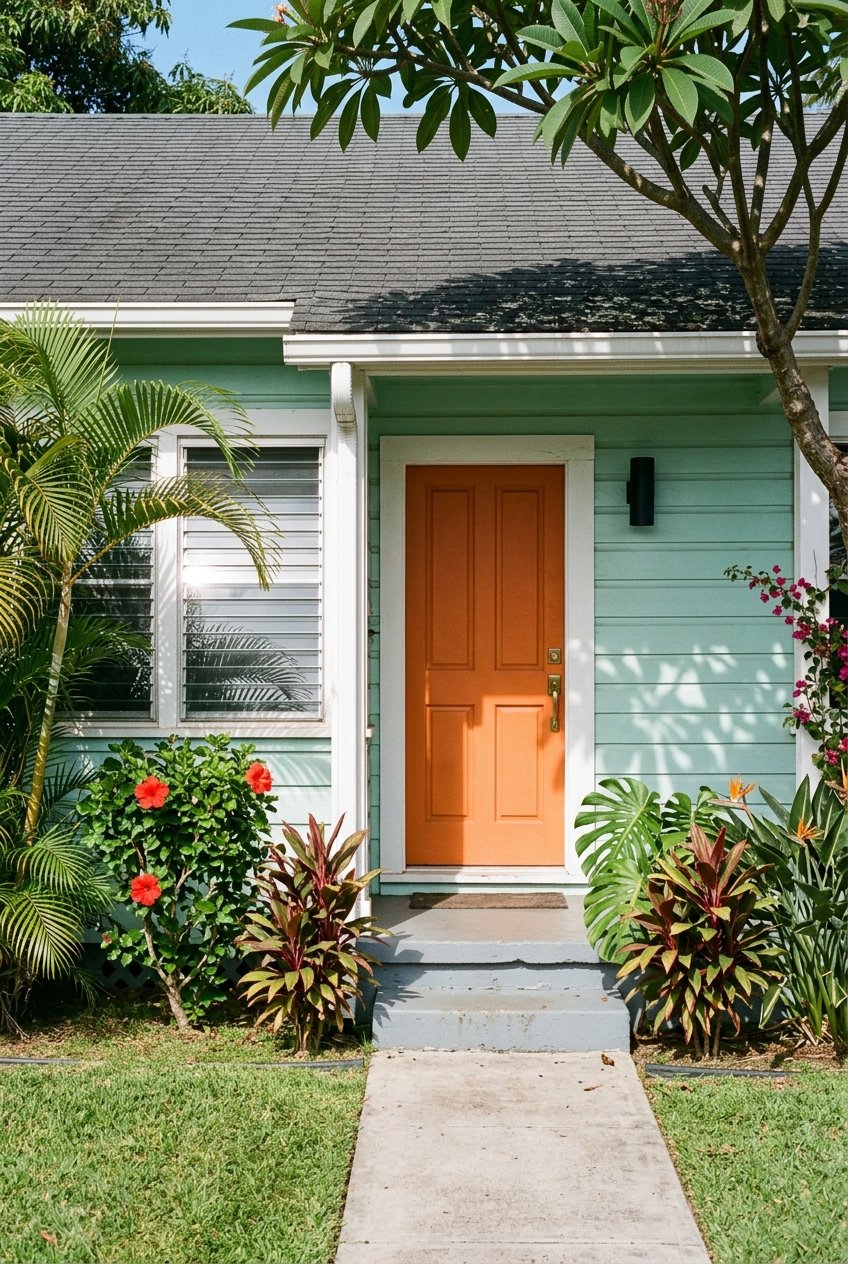
Older homes in Mānoa can be incredibly appealing, but they ask more of you as a buyer. You may be drawn to the character, mature setting, and architectural details that newer homes often cannot match, yet age can also hide costly issues behind walls, under floors, and around the lot. If you are considering buying an older home in Mānoa, this guide will help you understand the biggest risks, the smartest due-diligence steps, and where to focus your attention before you close. Let’s dive in.
Why older Mānoa homes stand out
Mānoa’s housing stock reflects many decades of development, from early 20th-century homes to postwar properties from the 1950s. Historic-property records show examples from 1919 through the late 1930s, along with later homes that reflect postwar construction styles and materials.
That mix gives buyers a wide range of architectural influences, including Craftsman, Prairie, Tudor Revival, Mediterranean Revival, Monterey, and mid-century modern elements. In practical terms, you may find features like built-ins, lanais, high ceilings, stucco over metal mesh, wood framing, and older foundation types.
Those details are part of the charm, but they also mean one home can be very different from the next. Even houses on nearby streets may have different construction methods, repair histories, and update needs.
What age can mean for condition
With an older home, condition is rarely just about cosmetic updates. The bigger question is how well the property has handled time, weather, moisture, and prior repairs.
In Mānoa, that matters even more because local valley conditions can add pressure to older building materials. A home that looks beautiful on the surface may still need work on drainage, the roof, the exterior envelope, or hidden wood components.
This is why buying an older home here often works best when you think like both a homeowner and a project manager. You want to appreciate the character, but you also want to verify the systems, structure, and permit trail with care.
Termites are a major issue in Hawaiʻi
If you remember only one thing, make it this: termite risk deserves serious attention. The University of Hawaiʻi Termite Project identifies the Formosan subterranean termite as the single most damaging insect pest to homes and other structures in the state.
Subterranean termites need moisture, live in the ground, and reach wood through mud tubes. That means older homes with leaks, poor drainage, damp crawl areas, or wood-to-soil contact may face increased risk.
For you as a buyer, this makes termite history more than a box to check. You should look closely at past inspection reports, any treatment history, and visible warning signs such as mud tunnels, moisture buildup, or recurring wood-damage repairs.
What to look for with termite risk
- Mud tubes or tunnels near foundations or walls
- Wood elements touching soil
- Areas with persistent moisture or leaks
- Signs of past wood repairs without clear explanation
- Limited documentation of prior inspections or treatment
Mānoa’s valley setting matters
Mānoa’s setting is part of what makes it special, but it also affects how you evaluate an older home. Honolulu’s development plan notes that lower valley slopes can be hazardous where soils are unstable, and higher rainfall in mauka valley areas can increase stormwater discharge.
The same planning documents also note that slow-moving landslides have caused property damage in Manoa and Moanalua Valleys. NOAA documented the October 30, 2004 Mānoa Flood, when Manoa Stream overflowed and upper Mānoa recorded rainfall rates above 5 inches per hour.
For buyers, this is not about assuming every property has the same risk. It is about understanding that drainage, grading, slope conditions, and water movement are especially important when you are buying in a valley location.
Why drainage deserves extra attention
Older homes were not always built to current expectations for water management. Honolulu’s building code requires exterior-wall envelopes to address flashing, drainage, and water-resistive details, which is one reason water intrusion and weatherproofing should be high on your inspection list.
If a home has aging roofing, worn exterior materials, improper grading, or drainage patterns that send water toward the structure, repair costs can add up quickly. In older Mānoa homes, envelope and drainage work is often one of the most practical priorities.
Lead paint may be part of the picture
If the home was built before 1978, lead-based paint is another issue to evaluate. Older homes are more likely to contain lead paint, and EPA data cited in the research shows that some lead-based paint was found in 87% of homes built before 1940 and 24% of homes built from 1960 through 1978.
Buyers of pre-1978 housing should expect lead disclosure. If you plan to renovate after closing, especially if work will disturb painted surfaces, you should also think ahead about a lead inspection or a lead-safe renovation plan.
This does not mean every older home is a problem. It means you should go in informed, especially if your budget includes immediate improvements.
A standard inspection is usually not enough
For an older Mānoa home, a general home inspection is important, but it is often only the starting point. The local conditions and age of the housing stock call for a more focused approach.
The research supports a stronger due-diligence plan that includes termite review, plus close attention to roof condition, drainage, foundations, moisture, and the exterior envelope. If the home predates 1978, lead-related planning may also be appropriate.
A thoughtful inspection strategy can help you separate cosmetic concerns from real structural or systems issues. That gives you a clearer picture of immediate repairs, future maintenance, and negotiation points.
Smart inspection priorities for older Mānoa homes
- General home inspection
- Termite inspection
- Roof and exterior-envelope evaluation
- Drainage and moisture review
- Foundation review
- Lead-related planning for pre-1978 homes, if needed
Permits matter more than many buyers realize
When a home has been around for decades, it may have gone through additions, repairs, updates, and reconfigurations. That history is not always obvious from a showing.
Honolulu’s building code states that a building permit is required for work covered by the code, including installation, alteration, or repair of building, electrical, gas, mechanical, and plumbing systems. Permit-required work is also subject to inspection, with final inspection after construction is complete.
That is why permit history is such an important part of due diligence. If an older Mānoa home has additions, major remodels, retaining walls, electrical upgrades, plumbing changes, or drainage work, you will want to understand what was done and whether it appears to have been properly permitted.
Permit questions worth asking
- Were additions or remodels permitted?
- Were electrical or plumbing upgrades documented?
- Was drainage or grading work approved where required?
- Were retaining walls or slope changes part of past work?
- Is there a clear record of final inspections?
Grading and slope work can trigger extra review
Because some Mānoa lots involve slopes, buyers should pay special attention to grading history. Honolulu’s grading procedures require a permit when grading changes drainage patterns, exceeds 50 cubic yards of cut or fill, or exceeds 3 feet in vertical height.
The city also requires soils reports for certain steep or fill-supporting conditions, and an engineering slope-hazard report is required when modifying steep slopes under specified thresholds. If a property shows signs of substantial lot work, retaining improvements, or altered drainage paths, this is worth a closer look.
For you, the takeaway is simple: the house is only part of the property story. The lot itself can affect maintenance costs, future renovation plans, and risk exposure.
Historic status can affect future projects
Some older Mānoa homes may raise historic-preservation questions. The State Historic Preservation Division says properties over 50 years old can be historic properties, but not every older home is listed.
If a privately owned property is listed on the Hawaiʻi Register, projects affecting it are subject to 6E-10 review. State or county approvals that may affect a historic property can also trigger 6E-42 review. SHPD also notes that some building-envelope projects on single-family dwellings or townhouses over 50 years old and not listed on the register are exempt from 6E-42 review.
This matters if you are buying with renovation plans in mind. Before you assume a project will be straightforward, it helps to understand whether historic review could be part of the process.
Use licensed contractors after closing
If you plan to renovate, Hawaiʻi contractor rules are important. The Department of Commerce and Consumer Affairs says a contractor’s license is required for any project over $1,500 in labor and material, or for any project that requires a building, electrical, or plumbing permit.
Licensed contractors can sign permits, and the Contractor’s Recovery Fund may be available only if the homeowner hired a licensed contractor. DCCA also advises owners to verify license status through its public license tools.
For older homes, this is especially important. Once work begins, hidden conditions can surface quickly, and you want qualified, properly licensed professionals handling anything beyond cosmetic updates.
A practical checklist before you buy
Older Mānoa homes can absolutely be worth the effort, but they reward buyers who stay disciplined during due diligence. Before you move forward, try to confirm the basics that shape both value and future cost.
Older Mānoa home checklist
- Confirm the year built and general construction era
- Review permit history for additions, remodels, and system upgrades
- Ask for termite inspection and treatment history
- Look for signs of moisture, drainage trouble, or wood damage
- Review lead disclosure for homes built before 1978
- Check whether slope, flood-hazard, or drainage issues may affect future work
- Verify that any future contractor is properly licensed
The bottom line on buying older in Mānoa
Buying an older home in Mānoa can be deeply rewarding if you value character, setting, and a sense of architectural history. At the same time, these homes often make the most sense for buyers who are ready to investigate thoroughly, budget thoughtfully, and rely on the right local professionals.
The key is not to be intimidated by age. It is to understand what age, valley conditions, and past work can mean for your ownership experience, so you can move forward with confidence and a realistic plan.
If you are thinking about buying in Mānoa and want a clear, locally grounded strategy for evaluating older homes, Jenn Lucien can help you navigate the process with care, trusted coordination, and responsive guidance.
FAQs
What should you inspect first when buying an older home in Mānoa?
- Start with a general home inspection, then give extra attention to termite risk, roof condition, drainage, moisture, foundation issues, and the exterior envelope.
Why are termites such a concern for older homes in Mānoa?
- The University of Hawaiʻi identifies the Formosan subterranean termite as the most damaging insect pest to homes in the state, and moisture-rich conditions can increase risk.
Do older homes in Mānoa always have permit issues?
- Not necessarily, but older homes often have long improvement histories, so it is wise to review permits for additions, system upgrades, drainage work, and major repairs.
What should buyers know about lead paint in older Mānoa homes?
- Homes built before 1978 may contain lead-based paint, so buyers should review required disclosures and plan carefully if renovations will disturb painted surfaces.
Can slope and drainage affect a Mānoa home purchase?
- Yes. Valley rainfall, unstable soils in some slope areas, and drainage conditions can affect maintenance, repair priorities, and future remodeling plans.