Dreaming about a second home where the ocean is part of your everyday backdrop? Ko Olina stands out because it blends resort amenities, varied home options, and practical access to Honolulu in one master-planned setting. If you are thinking about buying here, the details behind ownership matter just as much as the lifestyle. Let’s dive in.
Why Ko Olina draws second-home buyers
Ko Olina is a 642-acre master-planned resort on Oʻahu’s leeward coast. The resort includes four lagoons, more than 1.5 miles of seaside pathways, a private deep-draft marina, a golf club, and on-site shopping and dining. It is also about 17 miles from Honolulu, which gives you a resort setting that still feels connected to the rest of urban Oʻahu.
For many second-home buyers, that mix supports an easier lock-and-leave lifestyle. Official resort information highlights 21 boutiques and local shops plus 32 restaurants and lounges, along with golf, marina access, wellness offerings, and beachside recreation. In practical terms, that means many of the experiences you want from a second home are already built into the community.
Ko Olina home types to know
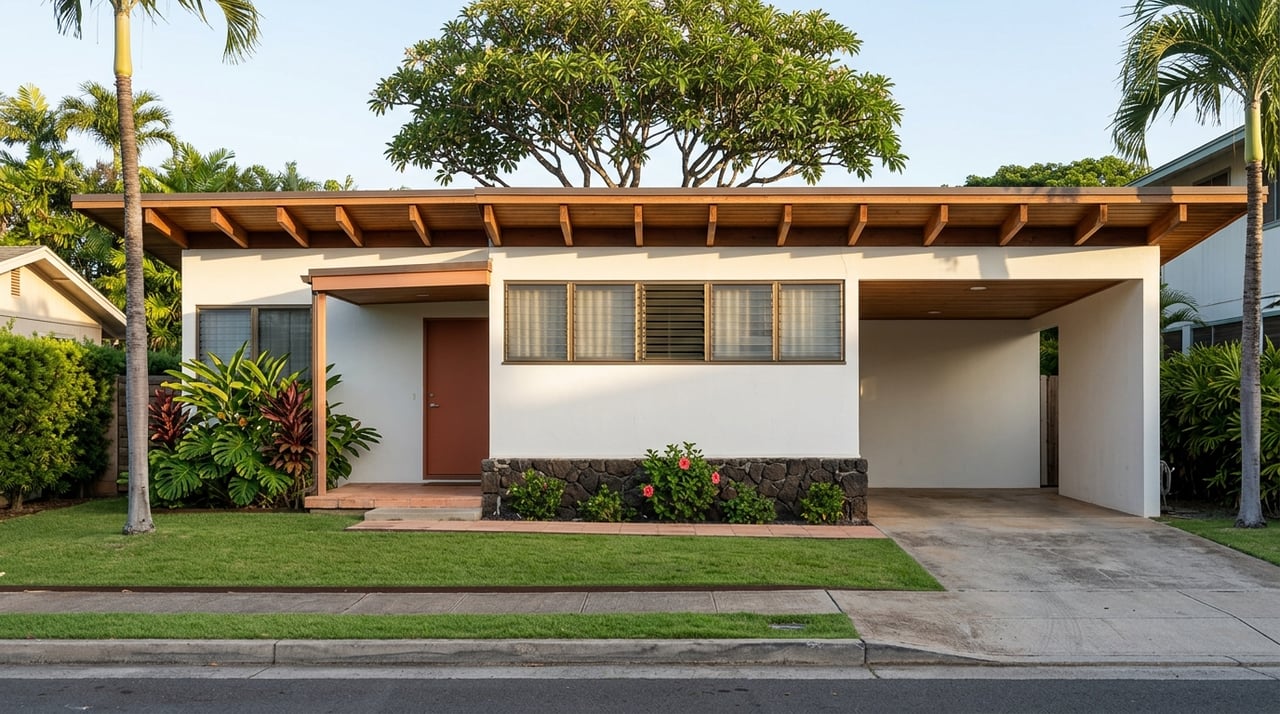
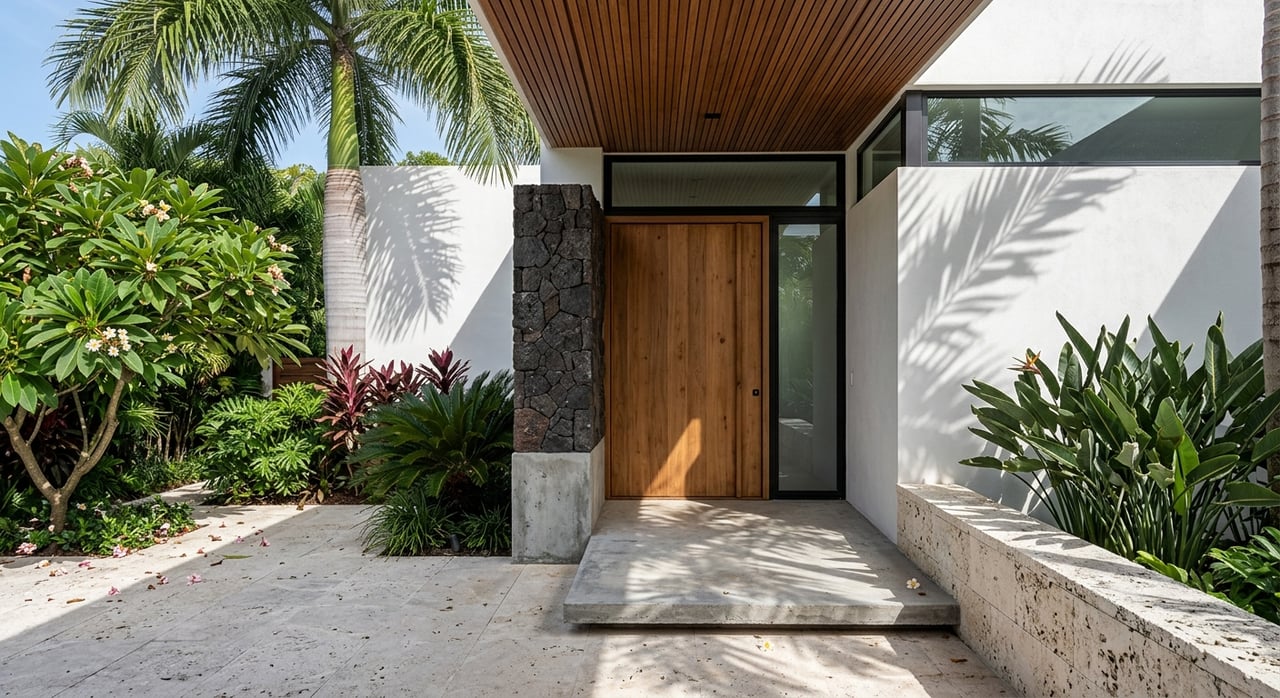
One of the biggest advantages of Ko Olina is that it is not a one-size-fits-all market. The resort’s six gated communities include single-family homes, townhouses, and condominium villas. Most homes offer two or three bedrooms and baths, but the ownership experience can feel very different depending on the community you choose.
The official communities are Kai Lani, Beach Villas, Hillside Villas, The Fairways, Ko Olina Kai Golf Estates & Villas, and The Coconut Plantation. Some buyers want oceanfront condo living with extensive amenities, while others prefer a more private, house-like setting near the golf course. Knowing your lifestyle goals first will help narrow the right fit.
Condos and villas
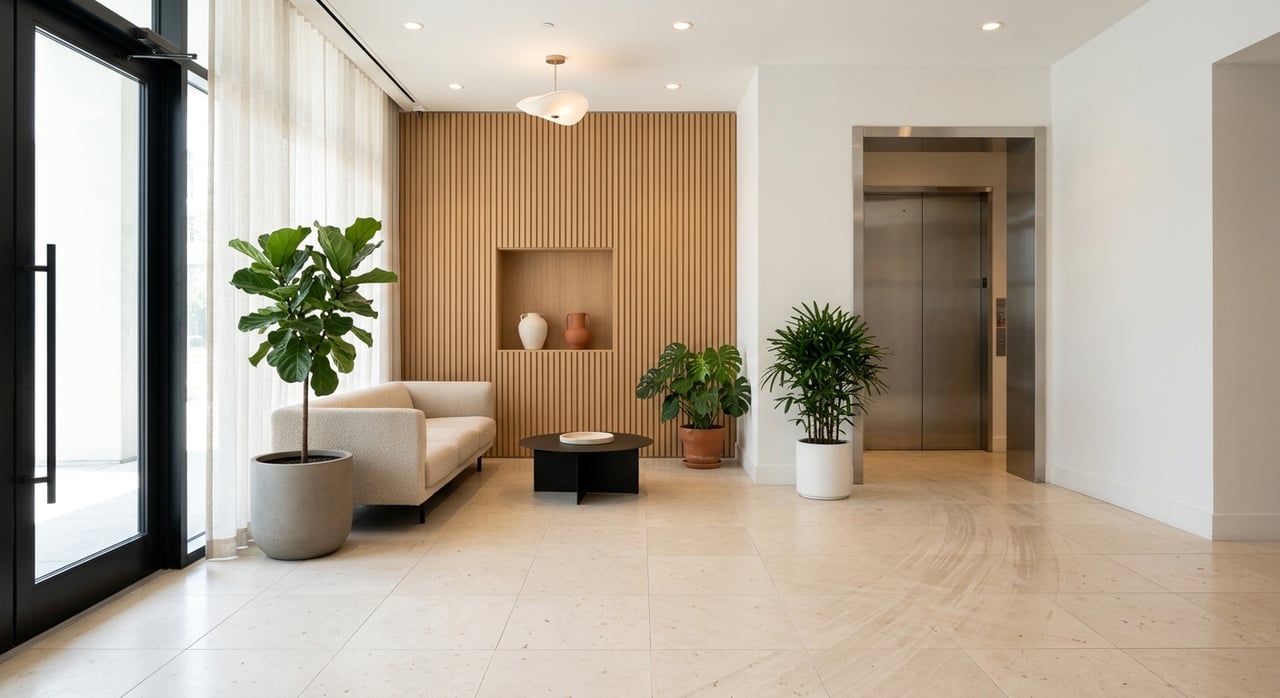
If you want a more service-oriented second home, condo and villa communities may be the strongest match. Beach Villas at Ko Olina has 247 villas in two towers near Lagoon 2, with two-bedroom and three-bedroom floor plans and amenities that include a private fitness room, hospitality suite, members’ lounge, pools, and a beachside bar. Kai Lani offers a lower-density oceanfront setting with 116 condos in two-story four-plexes, along with a recreation center, pool, Jacuzzi, and barbeques.
These communities can appeal to buyers who value convenience and shared amenities. They may also offer a more turnkey feel compared with a detached home. Still, condo ownership comes with building-level rules, fees, and operating structures that you should review closely.
Townhomes and house-like options
If you want more separation or a layout that lives more like a home, Ko Olina also includes several townhome-focused communities. Hillside Villas has 174 two-story townhomes, The Fairways includes 280 townhomes and condos overlooking the golf course, and The Coconut Plantation offers condos and townhomes with multiple recreation areas and pools. Ko Olina Kai Golf Estates & Villas adds another layer, with multi-family condos and townhomes plus single-family homes.
This range matters because your second-home needs may change over time. You may want easier maintenance today, but more garage space, guest flexibility, or privacy later. Ko Olina gives you several ownership styles within the same resort environment.
Ownership is more layered than it looks
Second-home buyers are often surprised by how many governing layers can apply in a resort community. In Ko Olina, there is a master association called the Ko Olina Community Association, or KOCA. KOCA handles items such as condominium documents, golf cart and low-speed-vehicle registration, and boat-ramp registration.
That means your ownership may involve both your individual community association and the broader resort association. Buyers should expect to review governing documents carefully so they understand fees, use rules, and any resort-wide requirements that may affect daily ownership. In a second-home purchase, those details matter because you may not be on island full time to manage surprises.
Resort-condo rules can be specific
Beach Villas is a useful example of how structured resort-condo ownership can be. Its AOAO describes the property as a resort condominium, not a hotel, and says individual villas are managed by their owner or rental agent. The AOAO also notes that common areas are for registered paying rental guests, owners, and registered guests, and that vehicles must park in assigned stalls.
The same rules say smoking is prohibited in common areas, including lanais, and that non-adherence may lead to warnings and fines. Even if you love the amenities, it is important to understand how guest access, parking, and common-area use work before you buy. This is especially true if friends or family will use the home when you are away.
Rental plans need careful verification
If rental income is part of your second-home strategy, do not assume every Ko Olina property has the same rights. Honolulu’s Land Use Ordinance says transient vacation units are permitted only in specific resort-related districts, including Resort Districts and certain A-1 and A-2 areas within 3,500 feet of a Resort District that was rezoned as part of the same master-planned resort application. The city also requires advertisements for transient vacation units to include the registration or certificate number.
Honolulu’s 2025 official statement says unpermitted short-term rentals may face fines of up to $10,000 per day. The same city framework specifically references Resort zoning districts and certain A-1 and A-2 areas near the Ko Olina Resort. For you as a buyer, the key takeaway is simple: rental eligibility is parcel-specific and should be verified against the exact zoning, the unit’s governing documents, and any HOA or AOAO restrictions.
Off-island owners need a local agent
If you plan to rent out your property while living off island, Hawaii law adds another important requirement. Hawaii Revised Statutes section 521-43(f) requires the rental agreement to designate an agent who resides on the same island as the unit. For a Ko Olina property on Oʻahu, that means an Oʻahu-based representative is required under current law.
This is one reason second-home buyers benefit from a careful, local review before purchase. A property that looks ideal on paper may come with operational steps you need to plan for from day one. Rental use is never something to leave to assumption in a resort market.
Property taxes can change the math
Property taxes are another area where second-home buyers need clarity early. Honolulu’s 2025 to 2026 real property tax table lists a Residential rate of $3.50 per $1,000 of net taxable value. It also lists a Residential A rate of $4.00 per $1,000 for the first $1,000,000 and $11.40 above that, along with separate Transient Vacation rates of $9.00 and $11.50 in two tiers.
The city’s home-exemption instructions make clear that the exemption is for an owner’s principal home. Evidence can include more than 270 calendar days of occupancy per year, voter registration in the city, military stationing, or a Hawaii resident tax return with a city address. Many second homes will not qualify for that exemption, so it is smart to ask how the likely tax classification affects your ongoing costs.
Why exemption status matters
Honolulu’s own example shows a meaningful difference. A $1.6 million property with the home exemption is illustrated at $5,180 in taxes, while that same value without the exemption is illustrated at $10,840 under Residential A. That gap can have a real impact on your annual carrying costs.
When you compare properties in Ko Olina, look beyond the purchase price. Tax class, exemption eligibility, HOA fees, and possible rental limitations all shape the true cost of ownership. A clear budget should reflect the full picture.
Oceanfront ownership needs planning
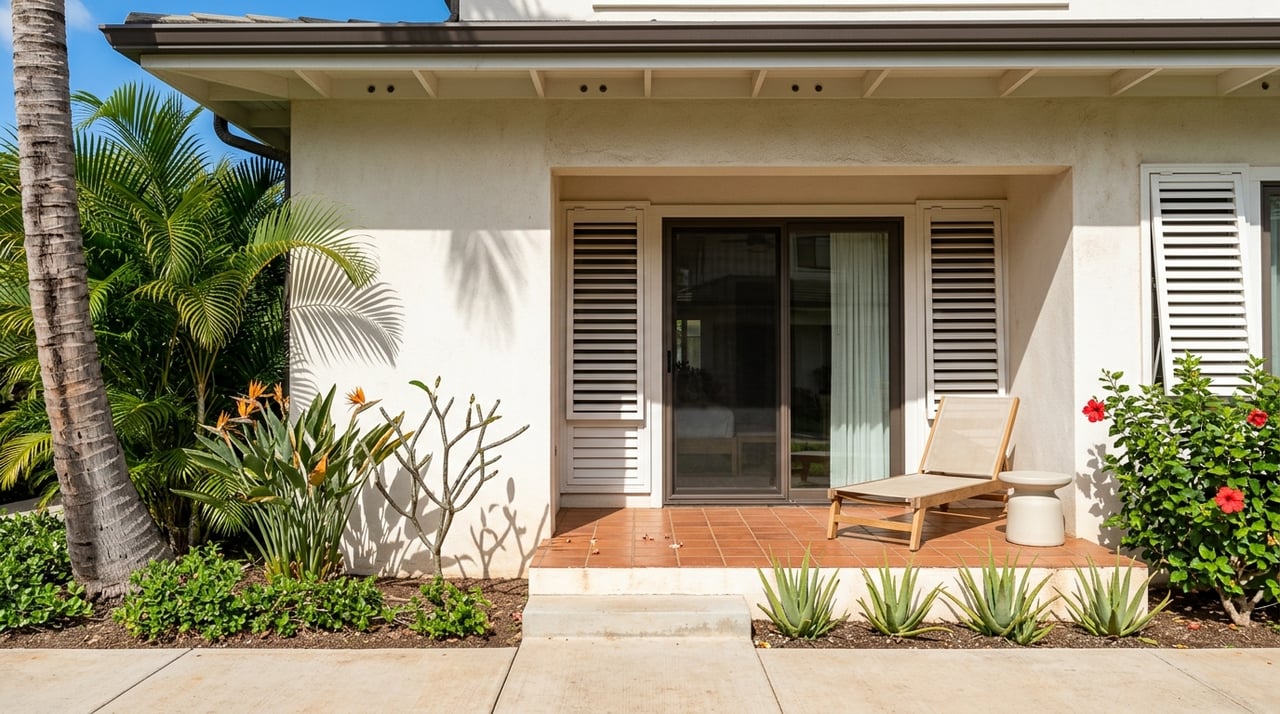
Ko Olina’s coastal setting is part of its appeal, but it also comes with practical upkeep considerations. Because this is an oceanfront resort environment, buyers should expect more attention to exterior finishes, air-conditioning, lanai doors, and readiness for wind and salt exposure than they might with an inland mainland property. That is a common-sense part of owning close to the water.
For some buyers, resort-style services help offset that burden. Beach Villas, for example, lists concierge services, 24-hour security, key-card-controlled access, visitor parking, and on-site amenities such as a fitness center, sauna and steam rooms, and pools. If you want a second home that feels easier to manage from the mainland, those details may be worth prioritizing.
Questions to ask before you buy
A strong second-home purchase starts with the right questions. In Ko Olina, those questions should go beyond finishes and views.
- Is the property in a Resort District or otherwise eligible for the rental use you want?
- What does the AOAO or HOA cover, and is there also a master-association fee or set of rules?
- Are there special assessments, reserve-funding concerns, or planned capital projects?
- What parking, pet, guest, smoking, or amenity-access rules apply?
- If you will rent the property, who will serve as the required Oʻahu-based agent?
- What property tax classification is most likely to apply?
- Would the home exemption apply, or is the property more likely to be taxed as a second home?
- How much maintenance and oversight will the property need while you are away?
These are not small details. In Ko Olina, the ownership experience is shaped by resort governance, community rules, zoning, and tax treatment as much as by the property itself.
Why local guidance matters in Ko Olina
Buying a second home in Ko Olina can be exciting, but it works best when you approach it with a clear plan. The right property for you depends on how you will use it, how hands-on you want ownership to be, and whether rental flexibility is part of the picture. In a layered resort market, local guidance can help you compare not just homes, but ownership structures and long-term fit.
If you are weighing Ko Olina as a second-home destination, working with an advisor who understands Oʻahu’s micro-markets, condo ownership, and resort nuances can make the process much smoother. For personalized guidance on Ko Olina and other Oʻahu second-home opportunities, connect with Jenn Lucien.
FAQs
What makes Ko Olina appealing for second-home buyers?
- Ko Olina combines resort amenities, gated communities, ocean access, golf, dining, shops, and practical proximity to Honolulu, which can support a convenient lock-and-leave lifestyle.
What property types are available in Ko Olina for second-home buyers?
- Ko Olina includes condominium villas, townhomes, and some single-family homes across six gated communities, giving you several ownership styles to consider.
What should Ko Olina buyers know about HOA and resort rules?
- Many properties are governed by both a community-level AOAO or HOA and the broader Ko Olina Community Association, so you should review all governing documents, fees, and use rules before buying.
Can you use a Ko Olina second home as a short-term rental?
- Rental eligibility is parcel-specific and should be verified through the property’s zoning, governing documents, and HOA or AOAO rules before you assume short-term or transient rental use is allowed.
What should second-home buyers know about Ko Olina property taxes?
- A second home may not qualify for Honolulu’s home exemption, which can affect the property’s tax classification and annual carrying costs, so it is important to review likely tax treatment early.
What maintenance issues should Ko Olina second-home buyers plan for?
- Because Ko Olina is in an oceanfront setting, buyers should expect ongoing attention to items affected by wind, salt exposure, exterior conditions, air-conditioning, and lanai components.