
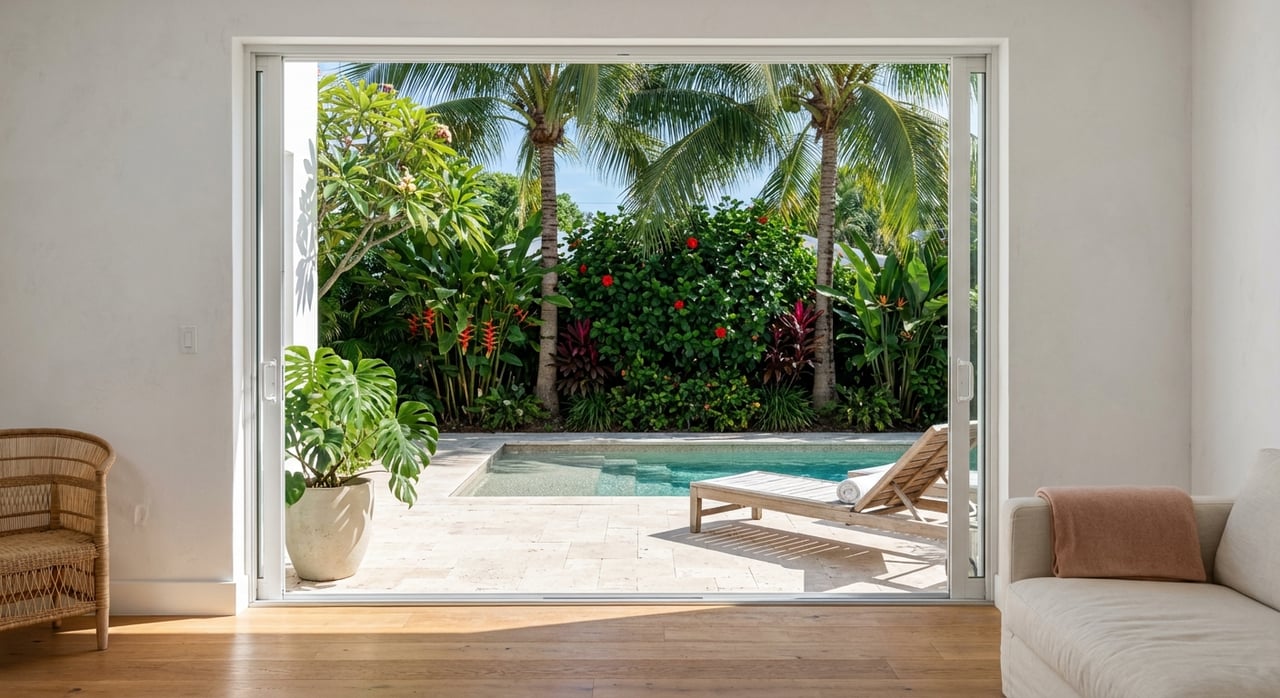
Thinking about selling your Kahala home in the next year? Luxury buyers in this neighborhood expect a polished, turnkey experience and respond to listings that feel effortless and well maintained. With the right plan, you can protect your timeline, reduce surprises, and position your property to compete with the best of Oʻahu. This guide gives you a clear 6 to 18 month plan, the inspections and disclosures that matter in Hawaiʻi, smart staging moves, premium marketing options, and privacy strategies. Let’s dive in.
What the Kahala market rewards now
Kahala remains one of Oʻahu’s highest value neighborhoods, with recent headline luxury listings and sales shaping buyer expectations for presentation and quality. Interest often comes from a mix of local, mainland, and international buyers, and many look for strong indoor and outdoor living, updated systems, and a turnkey feel. The most successful listings show clear pride of ownership, precise disclosures, and a thoughtful, concierge preparation.
If you are planning to sell within 6 to 18 months, start early on anything that needs permits or long-lead materials. Then sequence inspections, design refreshes, and marketing so your home launches cleanly and with momentum.
Your 6 to 18 month plan
12 to 18 months out
- Prioritize any permit-level repairs or renovations, especially for oceanfront elements like seawalls or structural work. Permits and engineering reviews can take time.
- If you are considering large landscaping updates or outdoor hardscape changes, schedule design and permitting early.
- Begin assembling past permits, plans, and contractor receipts so you can verify what was permitted and when.
6 to 12 months out
- Order specialty reviews where relevant: a coastal or structural engineer for seawalls, a pool inspection, and a sewer or cesspool status check.
- Line up landscape improvements that highlight privacy, view corridors, and curb appeal.
- Identify any repairs that would photograph poorly and plan to complete them well before staging.
3 to 6 months out
- Schedule a pre-listing home inspection so you can control the timeline of repairs. Guidance from industry sources notes that pre-inspecting before you list helps avoid last-minute surprises and renegotiations. You can see this discussed in NAR’s seller-prep guidance.
- Finalize your staging plan and order any design updates, soft goods, or rentals.
- Book professional photography and a licensed drone pilot, plus videography.
0 to 3 months out
- Complete your seller inspection, review findings, and finish agreed repairs. A full seller inspection paired with key specialty inspections can boost buyer confidence, as outlined by InterNACHI’s seller inspection overview.
- Prepare your disclosure packet, confirm permit files, and line up a property brochure and digital marketing assets.
- Host a private broker preview to attract qualified, early interest before going fully live.
Quick 6 to 18 month checklist
- 12–18 months: permit-level repairs or renovations (including seawall), hire architect or engineer for major projects.
- 6–12 months: specialty inspections (seawall engineer, pool, cesspool or sewer status), confirm permits for prior work, plan landscape overhaul.
- 3–6 months: finalize staging design, book photographer and Part 107 drone pilot, prep property website and print collateral.
- 1–3 months: full seller inspection, complete repairs, prepare HRS 508D disclosures, schedule broker preview, align on pricing.
- 0–6 weeks: install staging, capture photography and video, launch listing.
Pre-listing inspections and permits
A well-run due diligence phase protects your value and speeds up closing. Completing key inspections before you list lets you address issues on your terms, disclose clearly, and reduce the risk of inspection-period price cuts. Both InterNACHI and NAR note that seller-directed inspections can keep deals on track.
Core inspections to order
- Full home inspection to identify structural, roof, and system issues.
- Termite and wood-destroying organism inspection, which is common in Hawaiʻi.
- Pool and equipment inspection to confirm function and safety features.
- Roofing, flashings, and gutter assessment since salt air accelerates wear. Coastal durability guidance supports more frequent checks and corrosion-resistant materials, as summarized in this BASC resource collection.
- HVAC and de-humidification systems check for coastal performance.
- Electrical panel and safety check, especially in older homes with upgraded loads.
- Plumbing and a sewer line camera scope. Identify any cesspool status early.
- Seawall or shoreline evaluation from a structural or coastal engineer for oceanfront properties.
- Survey and title review to confirm easements and encroachments.
Who to hire and when
- Aim for one buyer-grade seller inspection plus two to four specialty reports delivered 4 to 12 weeks before listing. This provides time to repair or disclose.
- Use licensed inspectors who work regularly in coastal environments. For oceanfront, add a coastal engineer.
- Keep all invoices and reports together. These documents support disclosures and help buyers feel confident.
Hawaiʻi disclosures you must prepare
HRS 508D disclosure essentials
Hawaiʻi requires a written seller disclosure for most residential sales under HRS Chapter 508D. The statement covers material facts within your knowledge and provides buyer rescission rights if disclosures are late or incomplete. Review the requirements with your broker and counsel, as summarized in this Hawaiʻi seller disclosure overview.
Coastal and sea-level rise items
For Kahala homes near the shoreline, current practice addresses sea-level rise exposure and related coastal risks. Check the State’s Sea Level Rise Viewer to understand mapping and guidance for coastal properties. You can explore the tool here: Hawaiʻi Sea Level Rise Viewer.
Cesspools and sewer
Cesspools and onsite sewage have added disclosure and conversion visibility in recent legislative sessions. Identify whether the property has a cesspool and any applicable conversion timelines. See an example of legislative language in HB1396 SD1.
Title, permits, and surveys
Undisclosed or unpermitted work can create liability and delays. Gather your permits, plans, and contractor receipts so buyers see a clear record. Local case law highlights risks tied to incomplete or inaccurate disclosures, such as this Hawaiʻi federal case example on disclosure disputes: case summary.
Staging that sells the Kahala lifestyle
Luxury buyers in Kahala respond to a clean, neutral aesthetic, indoor-outdoor flow, and low-maintenance living. Professional staging and high-quality visuals can increase engagement and reduce time on market. See discussion of staging’s impact in NAR’s guidance.
High-impact, cost-effective updates
- Clear view corridors by removing or rearranging furniture and plantings that block ocean or garden sightlines.
- Deep clean and refresh paint in warm, neutral tropical tones. Tidy trim and touch-ups go a long way.
- Service pool equipment and lighting, power wash decks, and confirm safety features where required.
- Tune up landscaping, lawn edges, and exterior lighting. Clean driveways and maintained palms photograph beautifully.
Durable coastal materials
- Use marine-grade or corrosion-resistant materials on visible exterior hardware, railings, and outdoor kitchens.
- Specify stainless hardware where appropriate and build a coastal maintenance schedule. Coastal references and best practices are compiled in this BASC coastal durability resource.
Visual marketing and privacy
Your media package
For Kahala, invest in professional still photography, including twilight exteriors, plus aerial imagery, and a cinematic property video. Pair these with a property website or high-resolution brochure to tell a complete story. Any drone work must use a Part 107 certified pilot who complies with FAA airspace rules and local permitting. Learn more about Part 107 requirements in this Part 107 guide.
International reach and targeted outreach
Serious buyers for Kahala often include off-island and international prospects. Your marketing should combine MLS exposure, a polished property site, targeted social and video distribution, and private broker-to-broker outreach. Private previews help focus attention on qualified buyers and often lead to stronger early offers.
Privacy options for discreet sales
- Off-market or quiet marketing with clear expectations about exposure and timing.
- Invite-only broker previews for vetted buyers.
- NDAs for showings or inspections when appropriate.
- By-appointment or evening-only tours to protect privacy and schedule.
- Strict key control and home security protocols with bonded vendors.
Taxes and closing logistics
Hawaiʻi conveyance tax
Hawaiʻi imposes a conveyance tax on most transfers, typically paid by the grantor at closing. Rates are tiered by transaction value, with some exemptions that may apply. Review the statute and confirm calculations with your escrow officer: HRS Chapter 247 overview.
HARPTA for nonresident sellers
If you are a nonresident of Hawaiʻi, the state requires withholding on the sale to secure income tax. Escrow coordinates the required forms and timelines, but you should consult a tax advisor early and review current procedures here: HARPTA forms and instructions.
Property tax and prorations
The City and County of Honolulu sets classification rates and issues assessment notices each fiscal year. At closing, property taxes and any assessments are typically prorated. Your escrow and title team will prepare these calculations.
Escrow coordination and your advisory team
Assemble your team early: a listing broker, a Hawaiʻi real estate attorney for complex disclosure or entity matters, and a CPA experienced with Hawaiʻi tax. Escrow will manage conveyance tax certificates and recordation, but you should confirm payor responsibilities and filing timelines.
Planning a Kahala sale is easier when you have a concierge team that coordinates inspections, staging, marketing, and legal details from day one. If you want a private, step-by-step path tailored to your home and timing, connect with Jenn Lucien to get started and request your Neighborhood Market Review.
FAQs
When should you start permit-level work for a Kahala oceanfront home?
- Begin 12 to 18 months ahead so you can secure engineering reviews, shoreline permits, and complete work before marketing.
What inspections matter most before listing a Kahala luxury property?
- A full seller inspection plus termite, pool, roof, HVAC, electrical, plumbing or sewer camera, and seawall or shoreline evaluations for oceanfront homes.
How do Hawaiʻi seller disclosures work for Kahala homes near the coast?
- You must deliver a written disclosure under HRS 508D and should address coastal and sea-level rise exposure using current state guidance and maps.
What are the drone rules for marketing a Kahala listing?
- Use a Part 107 certified pilot who follows FAA airspace rules and obtains any required local permissions before flying.
Do nonresident sellers have special tax steps in Hawaiʻi?
- Yes, HARPTA requires withholding at closing unless an exemption applies, so consult a tax advisor and review current state forms early.