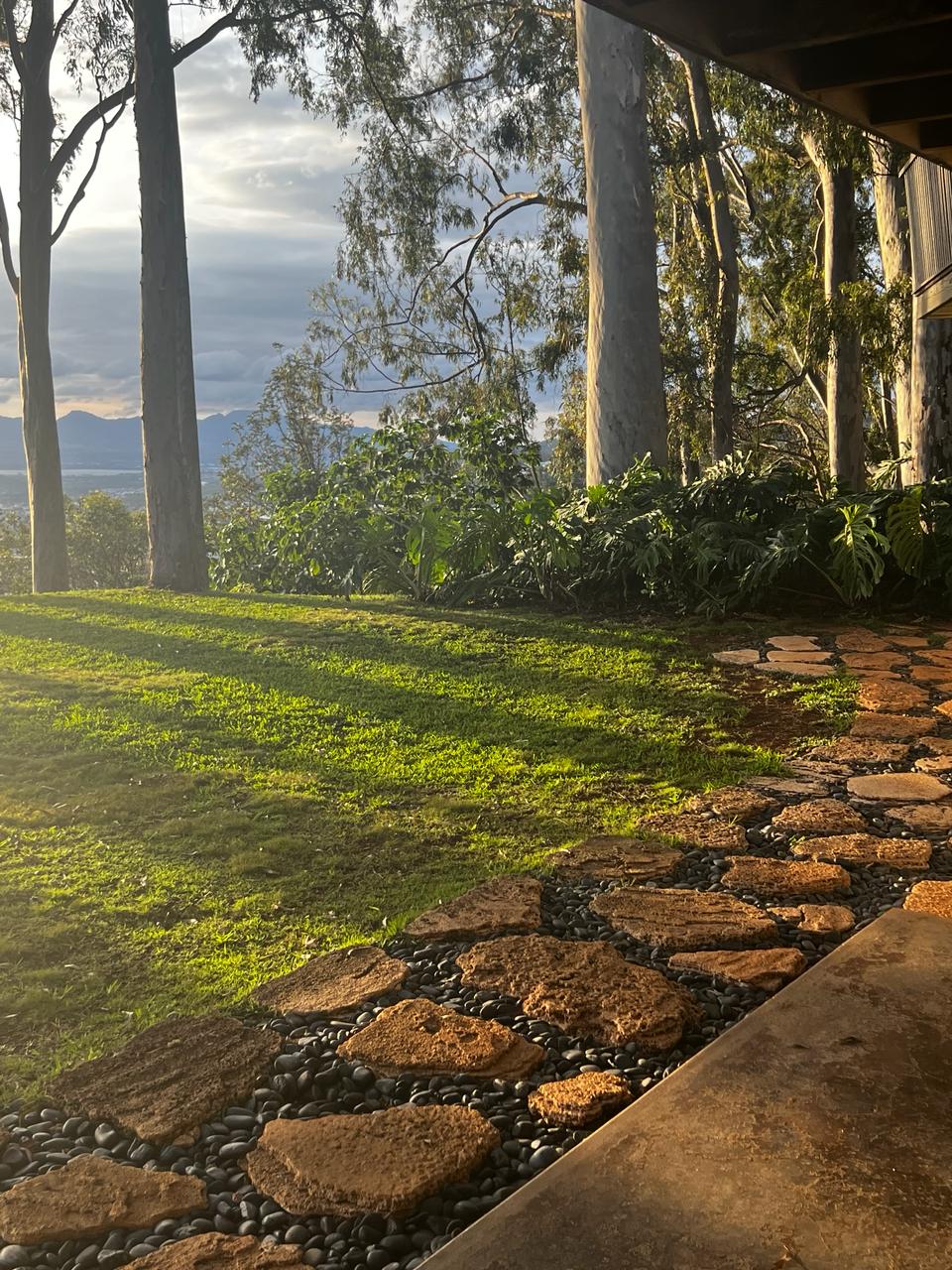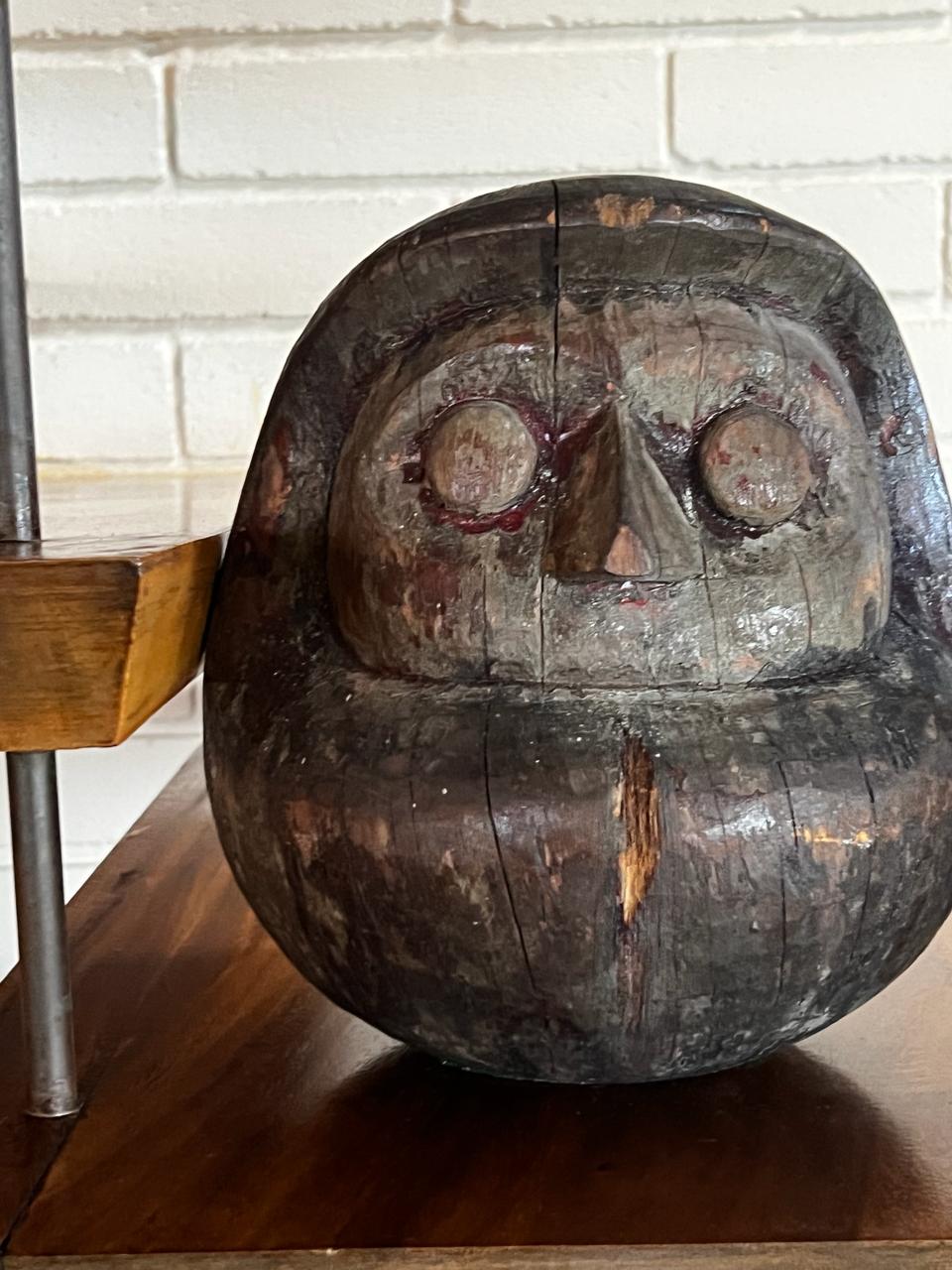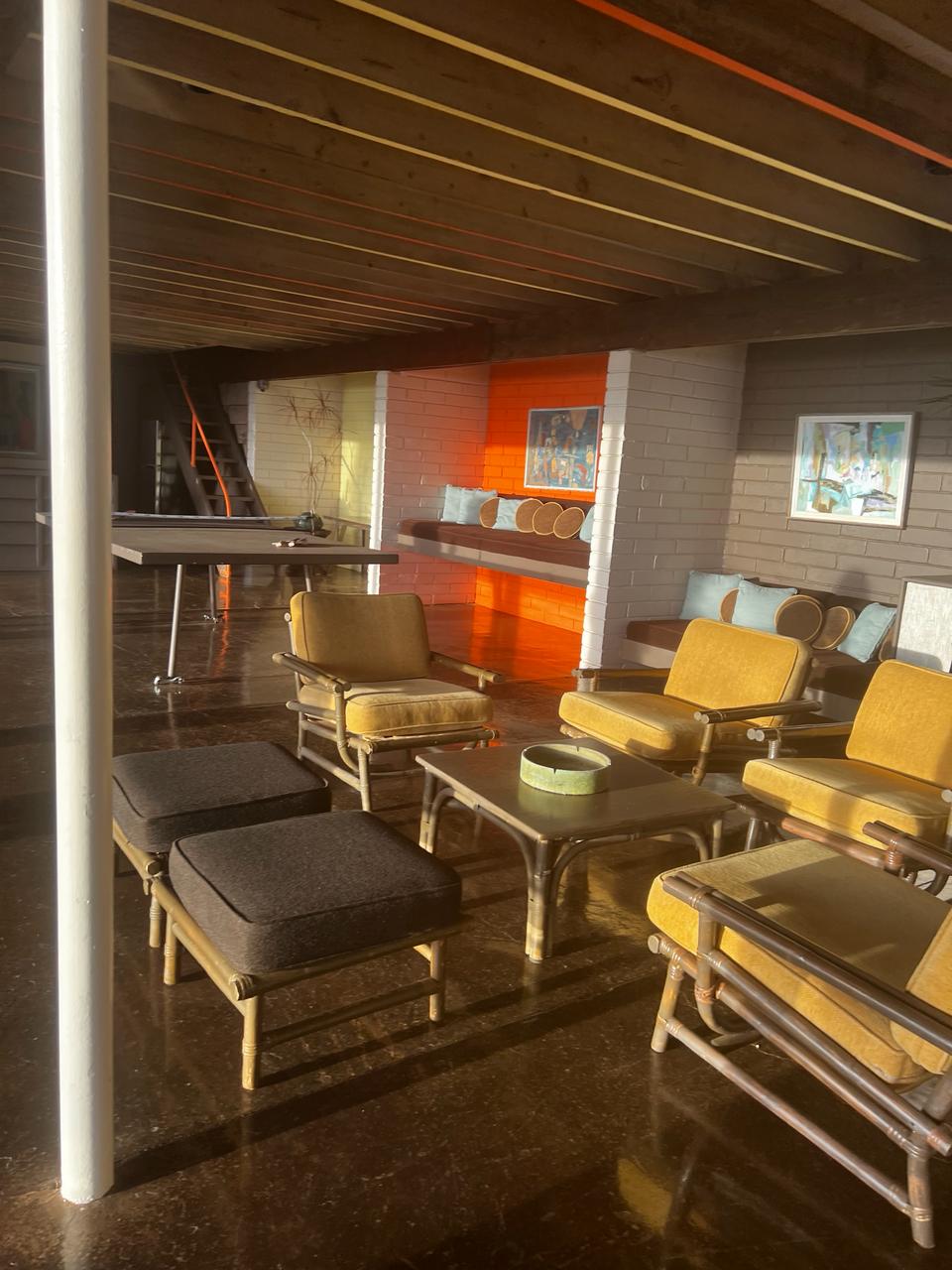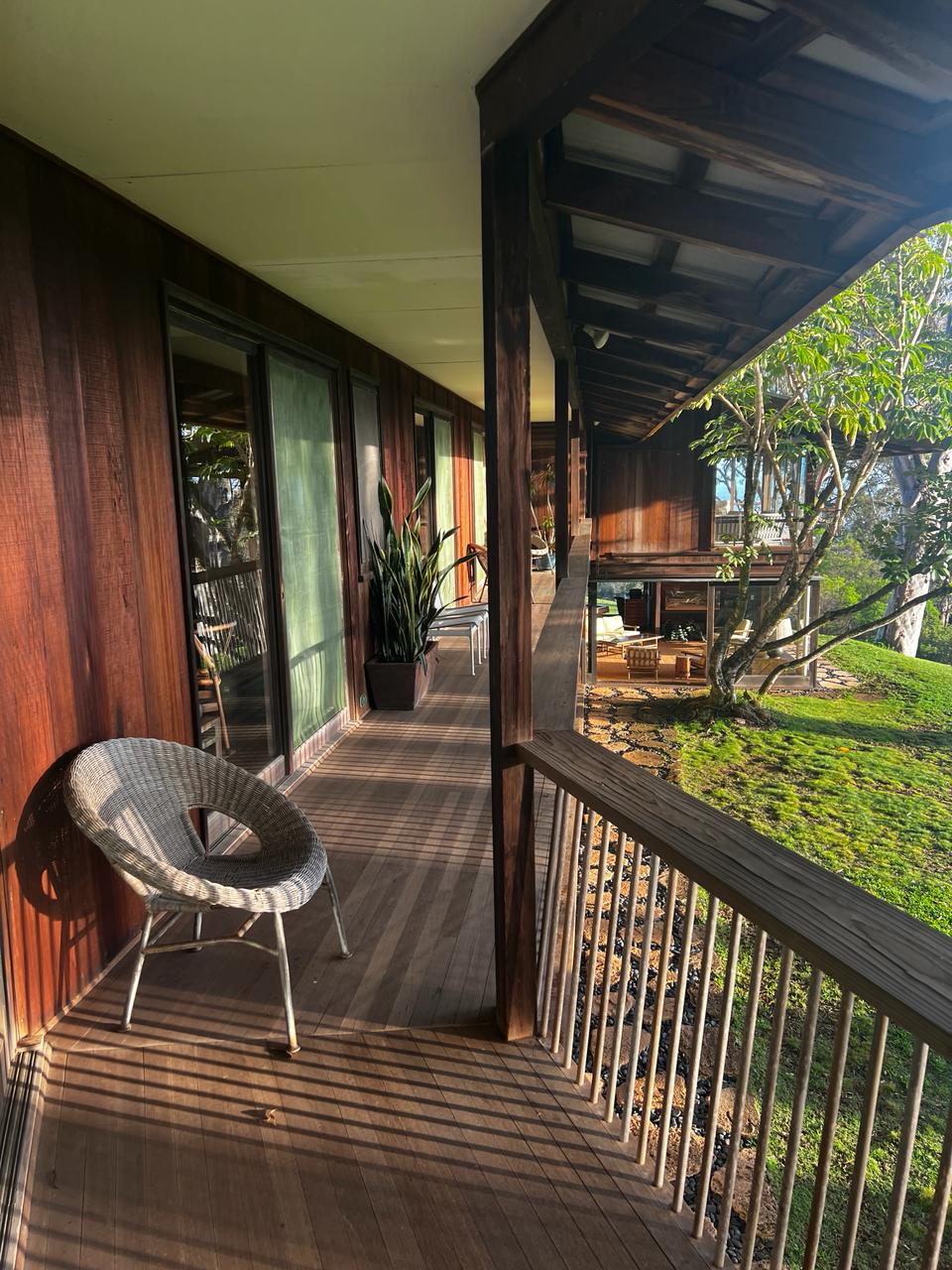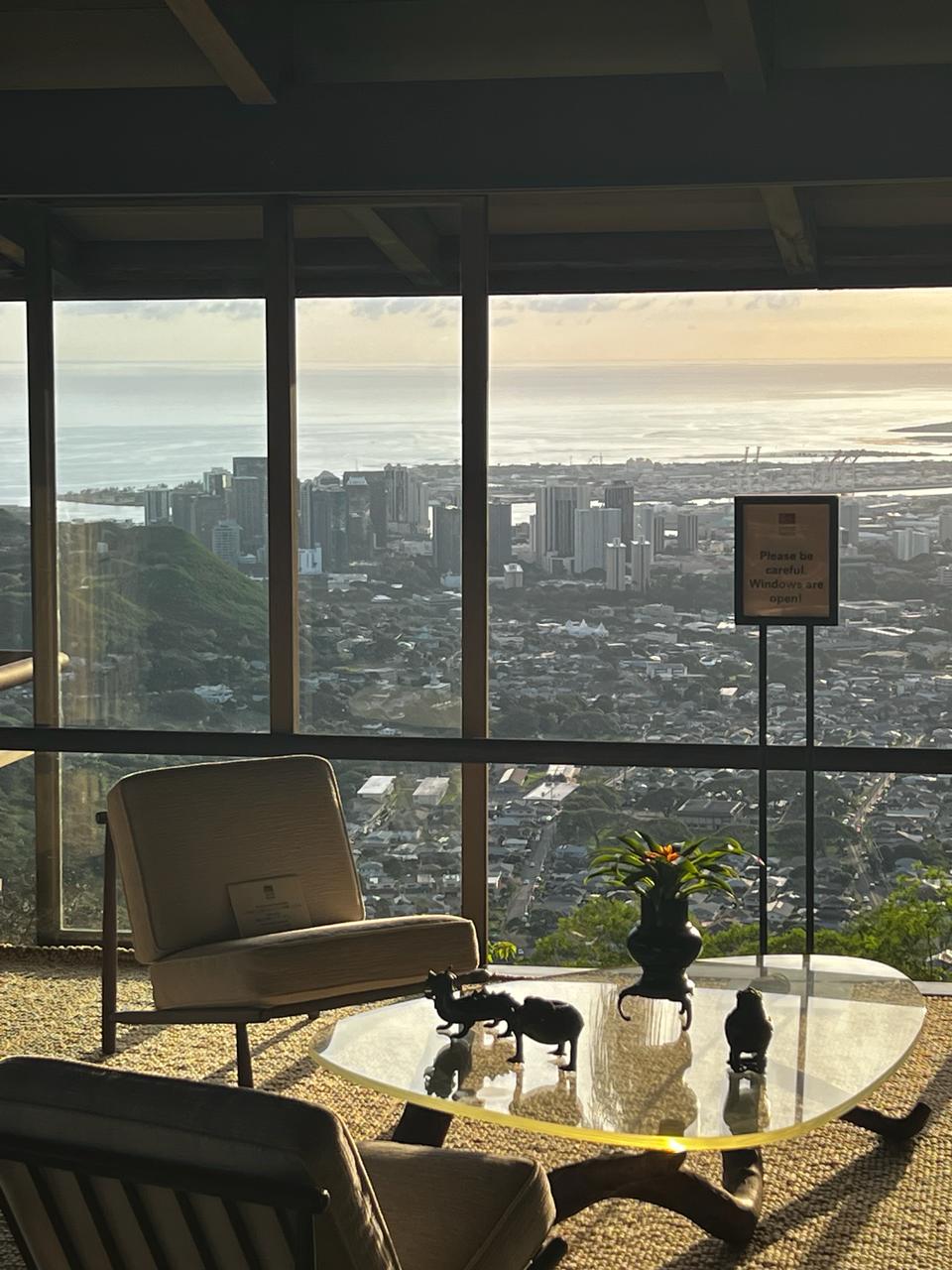
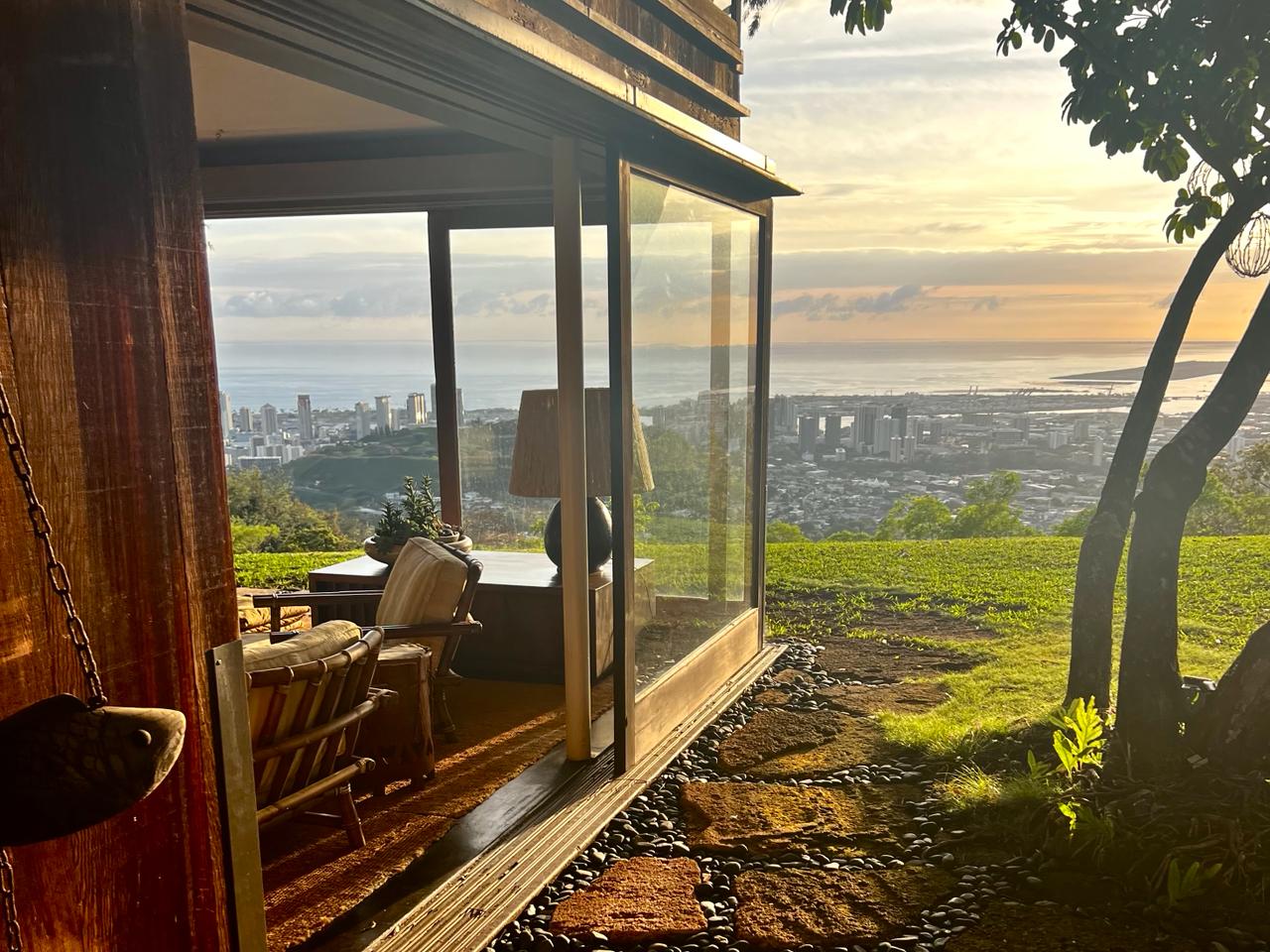
High above Honolulu, tucked into the lush slopes of Tantalus, sits one of Hawai‘i’s most extraordinary homes: the Liljestrand House. With its clean lines, open-air design, and breathtaking views stretching toward Diamond Head and the Pacific, the home feels as thoughtful today as it did when it was completed in 1952.
Designed by famed architect Vladimir Ossipoff, the Liljestrand House has become one of the most celebrated examples of Mid-Century Modern (MCM) architecture in Hawai‘i. While Mid-Century Modern homes can be found throughout the mainland United States, Ossipoff adapted the style specifically for island living, creating a home that feels inseparable from its surroundings.
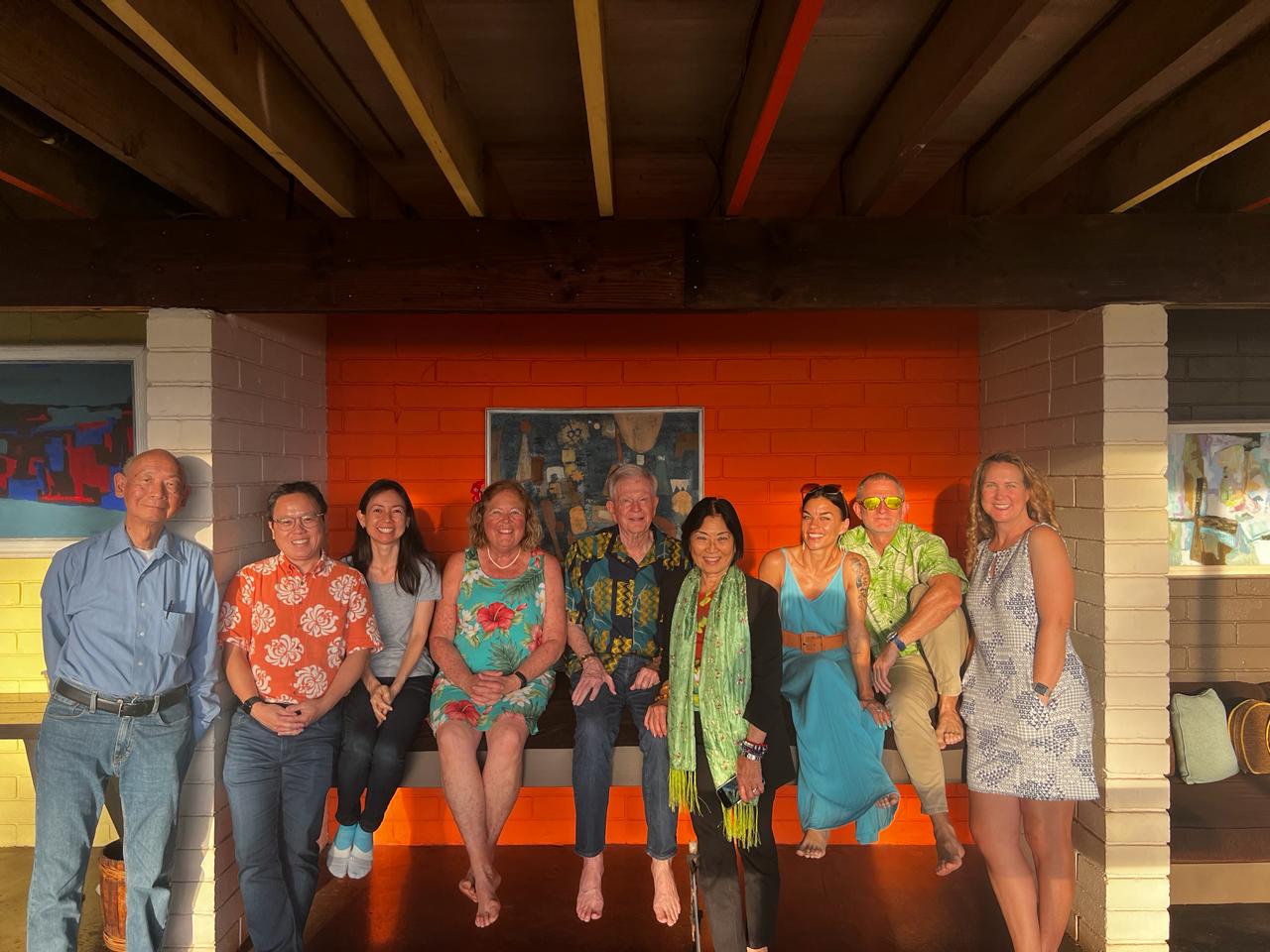
For me, it’s always been one of the most special places on O‘ahu. As a Friend of the Liljestrand Foundation, I’ve brought clients, friends, and visitors here over the years, and the reaction is always the same: people leave seeing Hawai‘i architecture a little differently.
A Home Designed for Hawai‘i
Long before “indoor-outdoor living” became a luxury real estate buzzword, Ossipoff understood how homes in Hawai‘i should actually function.
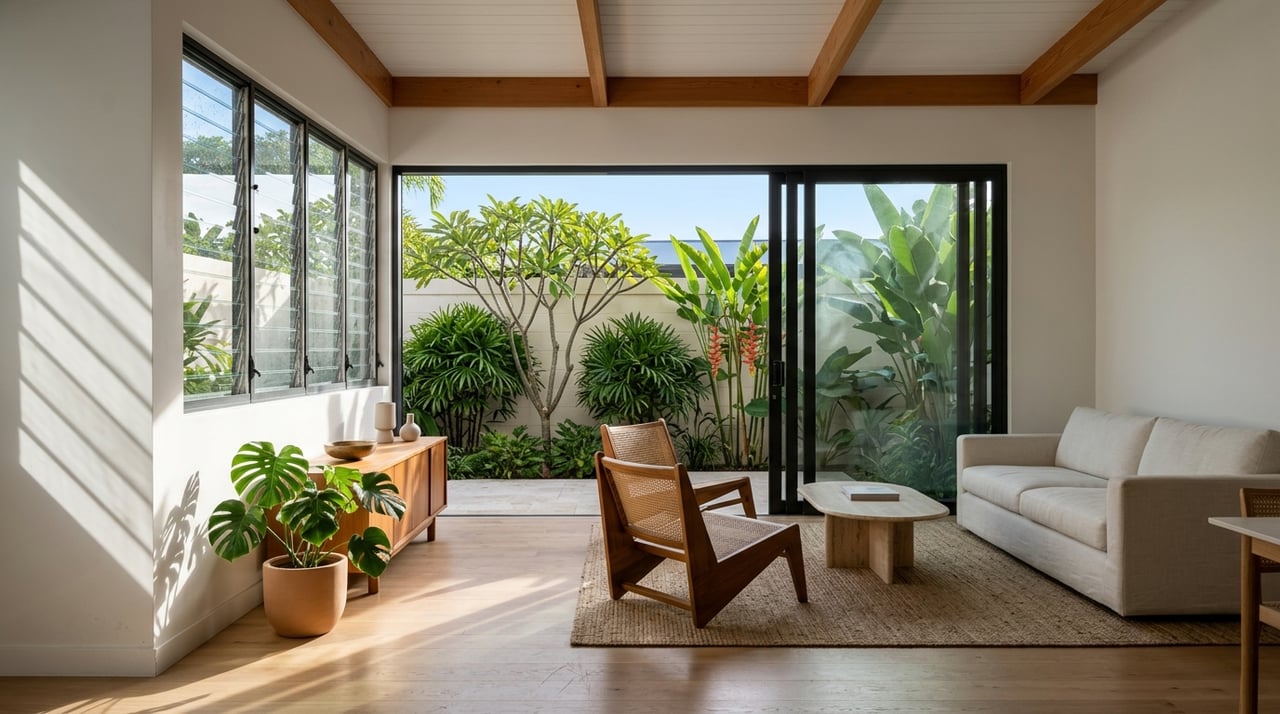
The Liljestrand House was designed around the island climate itself. Trade winds move naturally through the home. Oversized overhangs soften the tropical sun. Walls of glass frame the landscape without competing with it.
Nothing feels excessive. Every detail feels intentional.
Ossipoff’s Vision Comes to Life
Vladimir Ossipoff is often considered the father of Hawai‘i modernism, and the Liljestrand House is widely viewed as one of his defining residential works.
Rather than importing mainland architectural trends directly into the islands, Ossipoff created homes that responded specifically to Hawai‘i’s environment and lifestyle.
His approach emphasized:
- Natural ventilation
- Simplicity of form
- Connection to the land
- Functional elegance
- Materials suited for tropical living
Today, Mid-Century Modern homes remain some of the most sought-after architectural properties in Honolulu, and the Liljestrand House is often considered one of the finest MCM residences in the islands. Its enduring appeal comes from a philosophy that prioritized simplicity, function, and connection to nature over ornamentation.
That philosophy continues to influence Honolulu luxury homes today, especially among buyers looking for timeless design rather than trend-driven architecture.
Built Around Light, Wind, and Landscape
One of the most impressive things about the home is how quietly it interacts with nature.
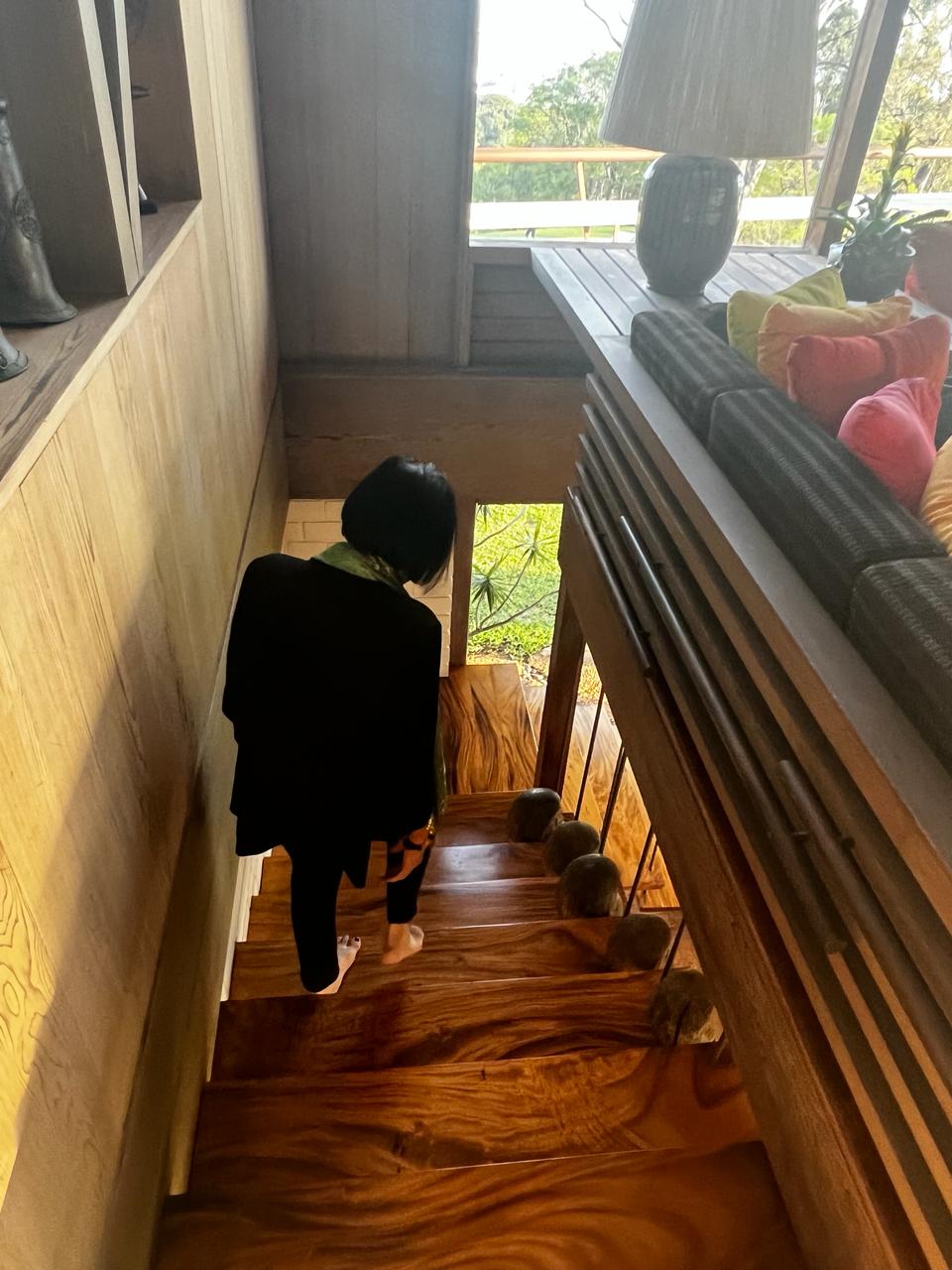
The house doesn’t overpower the hillside. Instead, it unfolds gradually through layered lanais, warm wood textures, and carefully framed sightlines. Natural light shifts throughout the day, and nearly every room opens outward toward greenery, ocean, or sky.
Even after decades, the home still feels remarkably modern.
Minimalism With a Purpose
One of the most fascinating aspects of the Liljestrand House is that its design was never about minimalism for appearance alone. Every element served a practical purpose.
This is especially evident in the kitchen, where storage, workflow, and usability were carefully considered decades before “functional design” became a popular concept. Cabinet placement, workspace organization, and circulation throughout the home were designed to support everyday living rather than simply impress visitors.
That practicality is a hallmark of great Mid-Century Modern design. The home demonstrates that luxury doesn't have to be complicated. Instead, thoughtful design can make daily life easier, more comfortable, and more enjoyable.
Above Honolulu, Hidden in the Trees
Part of what makes the Liljestrand House unforgettable is its setting.
Located in the Tantalus neighborhood above Honolulu, the property feels peaceful and secluded while remaining just minutes from the city below.
The Tantalus Setting
Tantalus has long attracted residents looking for cooler temperatures, privacy, and expansive views over Honolulu. The winding roads and dense tropical landscape create a completely different atmosphere from the urban core of Waikīkī or Kaka‘ako.
Homes in this area often feel deeply connected to the land—and the Liljestrand House may be one of the best examples of that relationship.
Related keywords naturally included:
- Mid-Century Modern Hawai‘i
- Mid-Century Modern Honolulu
- Vladimir Ossipoff homes
- historic homes in Honolulu
- Tantalus Honolulu
Framing Diamond Head and the Pacific
From the home, the views stretch across Honolulu toward Diamond Head, Punchbowl, and the ocean beyond.
But what makes the design exceptional is restraint. The architecture frames the scenery rather than distracting from it. The experience feels calm, balanced, and unmistakably Hawai‘i.
It’s a reminder that truly exceptional homes are not just about size or finishes. They’re about how a space makes you feel.
The Kind of Architecture That Stays With You
Some homes impress you immediately. Others stay with you long after you leave.
The Liljestrand House does both.
Quiet Luxury Before It Was a Trend
Today, luxury buyers often talk about authenticity, simplicity, sustainability, and wellness-focused living. The Liljestrand House embodied those ideas decades before they became popular.
Many of today's buyers are rediscovering Mid-Century Modern homes because they offer something increasingly rare: simplicity that works. Rather than relying on excessive square footage or constantly changing design trends, MCM architecture emphasizes efficient layouts, natural materials, and spaces designed to be lived in every day.
There’s no unnecessary grandeur here. The luxury comes from:
- Proportion
- Craftsmanship
- Light
- Airflow
- Privacy
- Connection to nature
That’s part of why the home continues to resonate with architects, designers, and visitors from around the world.
Why the Home Still Feels Modern Today
Great architecture ages differently than trends.
While many older luxury homes feel tied to a specific era, the Liljestrand House still feels relevant because its priorities remain timeless: comfort, livability, and harmony with the environment.
It’s no surprise that many newer high-end homes across Honolulu continue drawing inspiration from these same principles.
Preserving a Piece of Hawai‘i Design History
The Liljestrand House is more than a private residence—it’s an important part of Hawai‘i’s architectural and cultural history.
The home was added to the National Register of Historic Places and is now preserved through the work of the Liljestrand Foundation.
The Role of the Liljestrand Foundation
The foundation helps maintain the property while creating opportunities for the public to experience and learn from the home.
Through tours, educational programs, and preservation efforts, the organization continues protecting one of Hawai‘i’s most significant architectural spaces.
Liljestrand Foundation Official Website
National Register of Historic Places
Visiting the Home Today
Tours of the Liljestrand House offer a rare opportunity to experience the property firsthand.
Visitors can explore:
- Original architectural features
- Panoramic Honolulu views
- Historic design details
- Ossipoff’s approach to island living
Advance reservations are typically recommended due to limited tour availability.
How the Liljestrand House Continues to Influence Honolulu Homes
The influence of the Liljestrand House can still be seen throughout Honolulu real estate today.
Many luxury buyers continue searching for homes that prioritize:
- Indoor-outdoor living
- Natural light and ventilation
- Privacy
- Architectural significance
- Strong connection to place
The best homes on O‘ahu rarely feel interchangeable. They reflect the island itself.
And in many ways, the Liljestrand House helped define that standard.
Some Places Change the Way You See Hawai‘i
The Liljestrand House is one of those rare Mid-Century Modern homes that transcends architecture and becomes an experience.
Not because it is extravagant, but because it captures something essential about living in Hawai‘i: openness, balance, simplicity, and respect for the natural world.
Whether you're passionate about architecture, exploring historic Honolulu homes, searching for Mid-Century Modern inspiration, or simply looking for meaningful places on O‘ahu, the Liljestrand House offers a rare glimpse into design that still feels deeply connected to the islands.
And once you visit, it tends to stay with you.