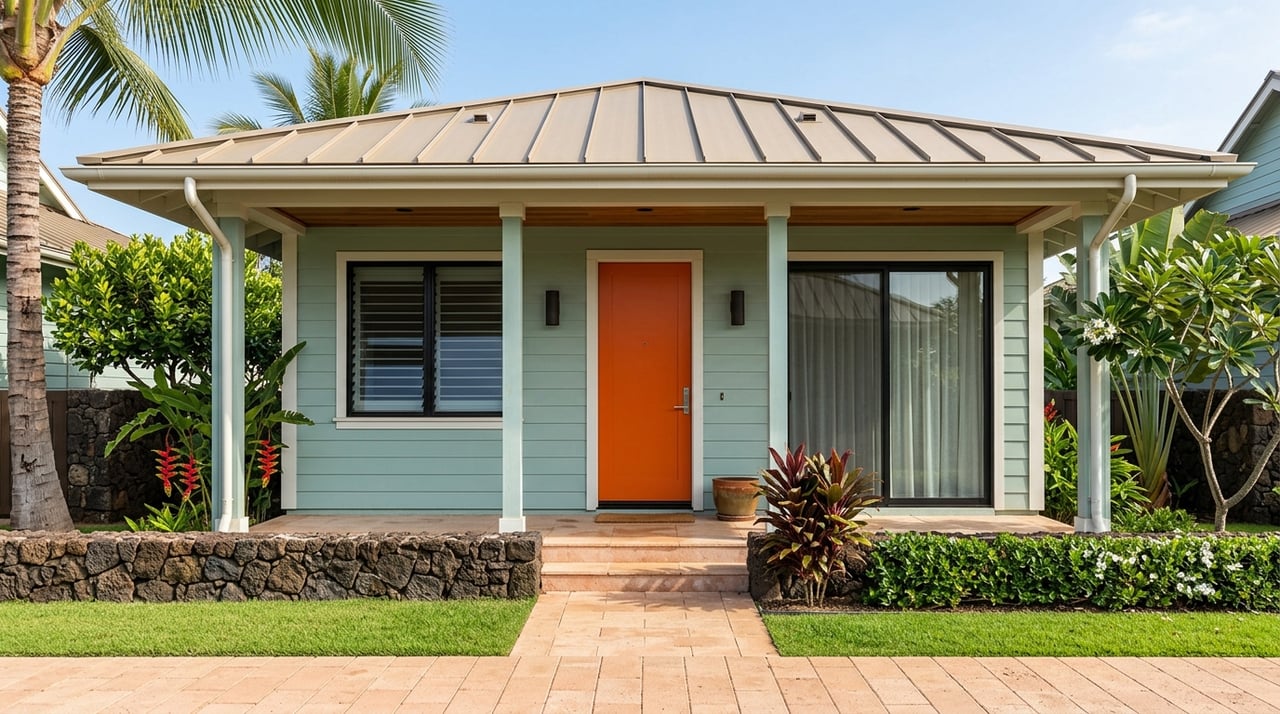
If you want Oʻahu resort living without the pace of Waikīkī, Ko Olina probably sits on your shortlist. But a beautiful setting alone does not tell you whether it fits your day-to-day life, budget, or ownership goals. This guide will help you weigh the lifestyle, housing options, costs, and rules so you can decide whether Ko Olina is the right resort community for you. Let’s dive in.
What Ko Olina feels like
Ko Olina is a 642-acre master-planned resort on Oʻahu’s leeward coast with four lagoons, a marina, an 18-hole golf course, shopping and dining, and more than 1.5 miles of seaside pathways. According to Ko Olina’s destination overview, it is about 17 miles from Honolulu International Airport and less than an hour from downtown Honolulu.
That setting gives you a different experience from more urban parts of Oʻahu. GoHawaii describes the leeward coast as slower paced, drier, and less developed than Waikīkī, which helps explain why many buyers see Ko Olina as a place to unwind rather than stay in the middle of city activity.
Who Ko Olina tends to suit
Ko Olina often appeals to buyers who want a lock-and-leave second home, a retirement base, or a long-stay vacation property with strong on-site amenities. The resort structure, gated layout, and managed environment can feel reassuring if you value predictability and convenience.
It may be a good fit if you want easy access to beaches, golf, marina services, and resort conveniences in one place. It may be less ideal if you want maximum flexibility, frequent short-term rental income, or a highly walkable urban lifestyle.
Amenities that shape daily life
One reason Ko Olina stands out is how much is built into the community itself. Within the broader resort, you will find Four Seasons Resort Oʻahu at Ko Olina, Aulani, Beach Villas at Ko Olina, and Marriott’s Ko Olina Beach Club, along with the golf club, marina, shopping nodes, cultural institute, and wedding chapel.
That matters because daily life here can feel more service-oriented than in a typical subdivision or condo neighborhood. You are not just buying a residence. You are buying into a broader resort setting with shared infrastructure and a more curated environment.
The lagoons and shoreline access
The four lagoons are a major draw for owners and visitors alike. Ko Olina states that the lagoons are privately owned, but public pedestrian access is allowed, and daily parking is available from sunrise to sunset on a first-come, first-served basis.
You should also know the environment is structured. The posted lagoon rules prohibit things like camping, fires, tents or sun shades, drones, alcohol, and smoking or vaping, and there are no lifeguards on duty. If you like a managed, orderly setting, that may feel like a plus. If you prefer a more informal beach experience, it may feel restrictive.
Ko Olina home options
Ko Olina’s master-association materials identify six residential communities: Beach Villas at Ko Olina, Kai Lani, Hillside Villas, Ko Olina Kai, Coconut Plantation, and the Fairways. Across these communities, the housing mix includes condo villas, townhomes, and single-family homes, with many floor plans in the two- to three-bedroom range.
That variety is important because “living in Ko Olina” can mean very different things depending on the community you choose. Some options place you close to the shoreline, while others sit farther inland in quieter interior locations.
Beach Villas at Ko Olina
Beach Villas at Ko Olina includes 247 oceanfront villas in two towers near Lagoon 2. The association describes it as a resort condominium rather than a hotel, with units independently owned and managed by owners or rental agents.
This community may appeal to buyers who want a more direct oceanfront resort feel. It is also one of the places where you need to study building rules, occupancy limits, and management details carefully.
Kai Lani
Kai Lani has 116 condos on 11 acres and is described by Ko Olina as the resort’s only low-density oceanfront project. It sits about 200 yards from a natural lagoon.
If you want an ocean-oriented setting with a lower-density feel, this may be one of the most distinctive options in the resort. Buyers often compare it with larger condo or townhome communities to see whether the scale feels right.
Hillside Villas
Hillside Villas consists of 174 two-story townhomes on about 11 acres in an interior part of the resort. This location may work well if you want to be inside Ko Olina but do not need to be as close to the shoreline.
For some buyers, that quieter positioning is a benefit. It can offer a different rhythm from communities that are more closely tied to lagoon activity and visitor traffic.
The Fairways
The Fairways at Ko Olina includes 280 townhomes and condos overlooking the golf course. Ko Olina describes it as the least expensive of the residential communities.
That can make it a useful entry point for buyers who want the Ko Olina lifestyle with a lower purchase threshold than some oceanfront options. Cost still depends on unit type, condition, and carrying costs, but it is often an important community to evaluate early.
Ko Olina Kai
Ko Olina Kai Golf Estates & Villas includes 324 multi-family condos and townhomes plus single-family homes along the golf course edge. The mix of housing types gives you more ways to match your budget and space needs.
It is also one of the communities where house rules matter a great deal for future use. If flexibility is a priority, this is one area where close document review is essential.
Coconut Plantation
The Coconut Plantation offers 270 condos and townhomes with plantation-style design, multiple pools, and multiple recreation centers. For buyers who want a strong amenity package within the residential community itself, that can be appealing.
Like other Ko Olina neighborhoods, though, ownership comes with specific rules and expectations. You want to understand those upfront rather than assume all resort communities operate the same way.
Costs to budget beyond the price
When buyers think about Ko Olina, they often focus first on purchase price. In practice, your real ownership picture also includes property taxes, HOA or association dues, insurance, utilities, and any paid use of amenities like golf or marina services.
Property tax classification matters a lot in Honolulu. According to the City and County of Honolulu FY2025-26 tax rates, Residential is taxed at $3.50 per $1,000 of net taxable value, Residential A is $4.00 on the first $1,000,000 and $11.40 above that, and Hotel and Resort is $13.90.
The difference can be material. As one illustration from the research, a $1.5 million condo with no home exemption would be taxed at roughly $9,700 per year under Residential A rates before HOA dues, insurance, and other carrying costs.
Resort amenities are not all included
Ko Olina’s lifestyle can be rich in amenities, but not every amenity is included in ownership costs. For example, Ko Olina Golf Club’s published 2026 18-hole rate is $245 for resort or Four Seasons guests and $275 for off-resort guests, with kamaʻāina discounts available.
That does not make golf a negative. It just means you should budget for the lifestyle you actually plan to use rather than assume the resort setting covers everything.
Rules and governance to understand
One of the biggest decision points in Ko Olina is how comfortable you are with layered governance. KOCA oversees certain resort-wide services and rules, including items like golf-cart registration, condo-document requests, and boat-ramp use, while each individual condo or homeowner association has its own governing documents.
In other words, the master association and your specific community association are not the same thing. That can affect what you can do with your property, how shared spaces are managed, and what approval processes may apply.
Rental rules vary by community
Rental rules are especially important if you are buying with income or flexibility in mind. Honolulu’s current land-use summary says sub-90-day short-term rentals are allowed in resort-zoned districts and certain other limited areas, while ordinary residential-zoned properties generally are not.
But zoning is only part of the story. At the HOA level, the research notes that Ko Olina Kai house rules and Coconut Plantation house rules both state that rentals under 30 continuous days are prohibited, while Beach Villas markets vacation rentals and states that each unit is owner- or rental-agent-managed and subject to condo rules and occupancy limits. That means you should verify both zoning and HOA restrictions before you buy.
How Ko Olina compares with other Oʻahu areas
Ko Olina is easiest to understand when you compare it with other parts of the island. It does not try to be everything. Its appeal is specific.
Ko Olina vs. Waikīkī
If you picture a more urban, visitor-dense environment with strong nightlife and city convenience, Waikīkī may feel like a better match. GoHawaii notes that Waikīkī Beach is one of the world’s most famous beaches and draws more than four million visitors a year.
Ko Olina offers a very different setup. Its gated, master-planned layout tends to attract buyers who want a more contained resort environment rather than an always-busy city district.
Ko Olina vs. Windward Oʻahu
For buyers drawn to a more beach-town feel, Windward Oʻahu offers a different lifestyle. GoHawaii describes the Windward Coast as slower paced, lush, and scenic.
Ko Olina, by contrast, is more controlled and resort-oriented. If you want HOA-governed amenities and a managed campus feel, Ko Olina may be the better fit. If you want something less structured, you may prefer to look elsewhere.
Ko Olina vs. North Shore
The North Shore has its own identity as a surf and country-style destination. GoHawaii describes Haleʻiwa as the historic surf town and cultural center of the North Shore, known for surf beaches, food trucks, and a more rural setting.
Ko Olina is different by design. It centers on lagoons, golf, marina access, and resort services rather than surf-town culture.
Questions to ask before buying in Ko Olina
Before you decide, it helps to be honest about how you want to use the property. A few questions can quickly clarify whether Ko Olina fits.
- Do you want a second home, primary residence, or long-stay vacation property?
- How important are on-site amenities like lagoons, golf, and marina access?
- Are you comfortable with HOA rules and layered resort governance?
- Do you need rental flexibility, and if so, what length of rental matters most?
- Are you budgeting for taxes, dues, insurance, and amenity use beyond the purchase price?
- Do you prefer a managed resort setting or a more independent neighborhood feel?
So, is Ko Olina right for you?
Ko Olina can be an excellent fit if you want a polished resort community with strong amenities, a slower-paced leeward setting, and a housing range that spans villas, townhomes, and select single-family options. It tends to work best for buyers who value convenience, structure, and a property that supports second-home or lifestyle-driven ownership.
It may be less suitable if your top priorities are short-term rental flexibility, minimal HOA oversight, or an urban, walk-everywhere setting. The right answer usually comes down to how you plan to live in the home, not just how the resort looks on a tour.
If you are weighing Ko Olina against other Oʻahu communities, working with a local advisor can help you compare lifestyle fit, ownership costs, and governing documents before you commit. If you want tailored guidance on Ko Olina or other Oʻahu resort and coastal communities, connect with Jenn Lucien for a thoughtful, locally informed conversation.
FAQs
Is Ko Olina a good place for a second home on Oʻahu?
- Ko Olina often appeals to second-home buyers because it offers a master-planned resort setting with lagoons, golf, marina access, and multiple residential communities in one area.
What types of homes are available in Ko Olina?
- Ko Olina includes condo villas, townhomes, and some single-family homes across six residential communities, with many floor plans in the two- to three-bedroom range.
Are short-term rentals allowed in Ko Olina communities?
- Rental rules vary by zoning and by HOA, so you need to verify both. The research notes that some communities, including Ko Olina Kai and Coconut Plantation, prohibit rentals under 30 continuous days.
How does Ko Olina compare with Waikīkī for buyers?
- Ko Olina is generally more resort-oriented, slower paced, and less urban than Waikīkī, which may suit buyers who prefer a more contained and predictable environment.
What should buyers budget for in Ko Olina besides the purchase price?
- In addition to the purchase price, buyers should plan for property taxes, HOA dues, insurance, utilities, and optional lifestyle costs such as golf or marina-related use.