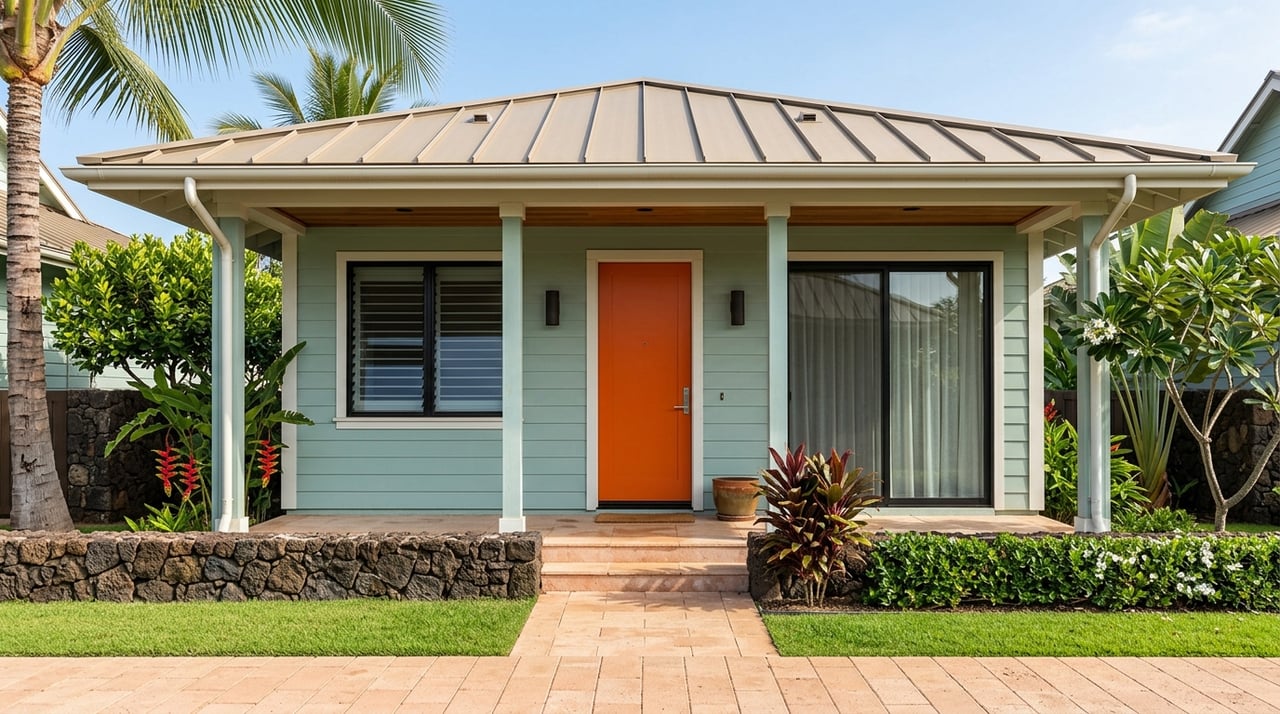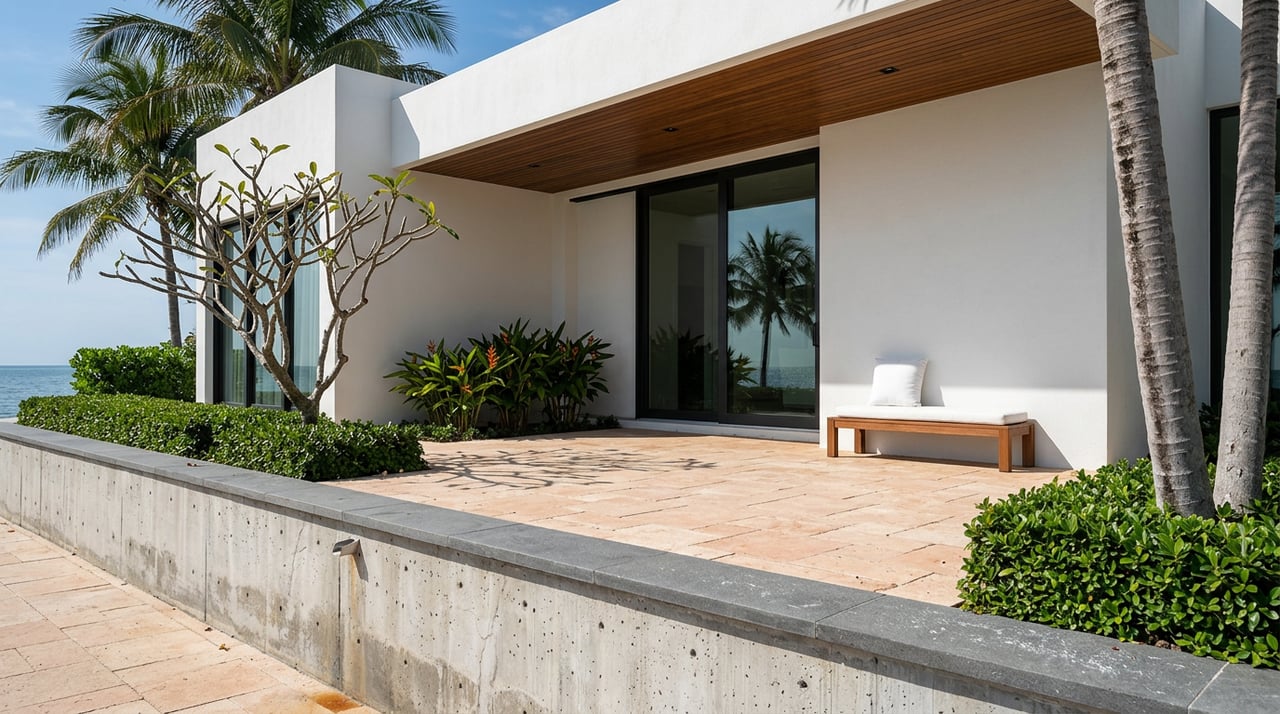
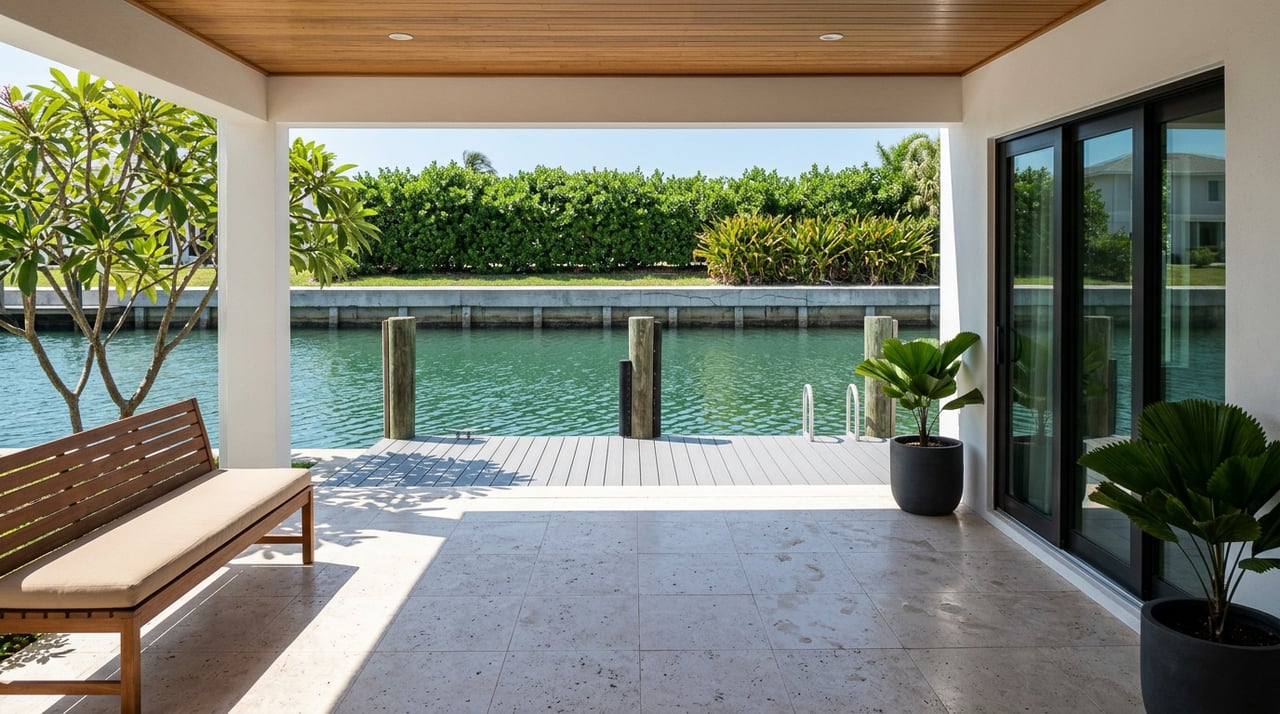
Ever picture stepping from your lanai onto your boat and idling out to Maunalua Bay in minutes? If you are drawn to that lifestyle, Hawaii Kai’s marinafront homes can be a perfect fit. You also want to understand how docks, slips, rules, and coastal risk work so you can buy with confidence. In this guide, you will learn the property types you will see, who governs the water and docks, the permits that matter, flood and insurance checks, and a clear due diligence checklist. Let’s dive in.
What marinafront means in Hawaii Kai
Hawaii Kai is a master-planned East Oʻahu community fronting Maunalua Bay, framed by Koko Head and Portlock. Inside the bay, a network of canals and basins creates the marina setting. The Hawaii Kai Marina Community Association (HKMCA) manages operations within the marina. Think vessel registration, speed and no‑wake rules, and dock approvals.
Public boaters launch at the Maunalua Bay public ramp. That ramp is separate from private or commercial slips inside the marina. The state’s Division of Boating and Ocean Recreation (DOBOR) oversees ramp maintenance and periodic dredging projects, including recent work announced for the Maunalua Bay entrance channel. You can review project updates on the state’s news pages from time to time, such as a DOBOR dredging announcement for the ramp area.
When you evaluate long‑term coastal exposure, planning tools like NOAA’s Sea Level Rise Viewer help you visualize future scenarios for bayside neighborhoods. These maps are a starting point for conversations about resilience and insurance, not a replacement for parcel‑level surveys or engineering.
- Explore long‑term scenarios with NOAA’s Sea Level Rise Viewer: NOAA SLR Viewer
- See an example of state ramp dredging work: DLNR update on Maunalua Bay ramp
Property types on the water
Single‑family homes with private docks
Many canal and basin lots have a private fixed or floating dock sized for tenders or smaller powerboats. Docks can be narrow and may have specific length and beam limits based on marina rules and the waterway’s geometry. Always confirm whether any dock you see is actually part of the property rights and what boat sizes are allowed.
Canal‑front parcels and vessel limits
Some homes sit on internal canals rather than the open bay. Canals can limit vessel size, turning room, and draft. It is smart to match your boat plans to the specific canal reach and to review written marina rules on size, speed, and no‑wake zones.
Townhomes and condos with slips
Several attached communities provide access to slips or dockage through an association. A slip can be deeded to a unit, assigned by the AOAO under rules, or held by the association and allocated by policy. The model matters because transferability, fees, and renewal risk vary. Ask for the recorded instrument or association policy that creates the slip right.
Commercial options and alternatives
Koko Marina Center and other operators offer commercial slips on rental terms. These are typically contract-based with waitlists and are not tied to a home’s deed. If slips are scarce, some boaters consider mooring buoys or dry‑storage options when available. Check availability, pricing, and rules with marina management.
For current rules, contact the Hawaii Kai Marina Community Association. HKMCA publishes operational rules, vessel limits, dock guidelines, and contact details on its website: Hawaii Kai Marina Community Association
Who controls the water and docks
State control of submerged lands
In Hawaiʻi, the State holds a public interest in submerged lands waterward of the shoreline. Many piers and docks rest on state‑controlled land. That means a dock or pier can require a state authorization such as a lease, easement, or revocable permit. Owning the upland lot does not automatically confer ownership of the seabed or an unfettered right to install or keep a dock. Review Hawaiʻi law background here: State submerged lands overview
The Department of Land and Natural Resources (DLNR) and its divisions manage these authorizations. BLNR meeting dockets routinely include items on submerged land uses, piers, moorings, and related permits. You can see examples of these records on DLNR’s meeting pages: DLNR Land Board meeting materials
Local marina governance
Inside the marina, HKMCA sets the operating rules and collects annual dues. The association requires approvals for dock work and restricts certain uses. For example, liveaboards are not permitted under HKMCA rules. Before you rely on a slip, confirm the exact rule set, registration requirements, and whether guest passes are limited. Start here: Hawaii Kai Marina Community Association
County shoreline and SMA permits
Many shoreline or water‑adjacent projects trigger county reviews. In Honolulu, work within the Special Management Area (SMA) may require a permit. Dock, seawall, or pile work can involve both county and state approvals, each with its own timelines. Learn about SMA permits here: County SMA overview
Boating realities to check before you buy
What “slip included” can mean
A listing that says “slip included” can refer to different legal situations:
- A deeded dock or appurtenant interest that runs with the property.
- An association‑assigned slip governed by CC&Rs and board policy.
- A third‑party commercial slip lease that may not transfer at closing.
Each model carries different renewal risk and costs. Ask for the recorded instrument or association documentation that creates the right to use the slip. If the dock or pier extends waterward of the shoreline, confirm whether a state lease, easement, or permit exists and whether it is current.
Vessel size, bridges, and speed rules
Hawaii Kai’s canals and basins have physical constraints such as bridge clearances and canal widths. Written vessel size and speed policies also apply. Verify the permitted length, beam, and draft for your intended boat before you rely on any advertised slip. Marina rules and size limits are published by HKMCA: Hawaii Kai Marina Community Association
Seawall and dock maintenance costs
Seawall responsibility typically sits with the upland owner for single‑family homes. Associations maintain common seawalls alongside condo land. Marine structural work like pile replacement, re‑decking, or seawall repair can be expensive and, in shared settings, may lead to special assessments. Ask for recent engineering inspections, invoices, or reserve study references where applicable. HKMCA provides contact channels for dock guidelines and related info: HKMCA contacts and rules
Dredging and navigation history
Interior canals and the boat‑ramp entrance can collect silt over time. Dredging is permitted and scheduled through the proper agencies. Historical notices from the U.S. Army Corps of Engineers and state contracts provide a record of that work. Reviewing the dredging history can help you gauge usability and any long‑term navigation risks.
- Example of a historical public notice: U.S. Army Corps of Engineers notice
- State maintenance example for the public ramp entrance: DLNR update on Maunalua Bay ramp
Flood, insurance, and long‑term risk
NFIP’s Risk Rating 2.0
Flood insurance pricing has shifted from zone‑based tables to a more property‑specific model called Risk Rating 2.0. Premiums weigh distance to water, elevation, replacement cost, and multiple flood types. The practical takeaway is simple. Get a flood quote early in due diligence to avoid surprises and to compare NFIP and private options. Learn more here: FEMA Risk Rating 2.0
Elevation certificates and local maps
Ask if an Elevation Certificate already exists for the property. If not, your surveyor can prepare one. The document helps insurers price risk and may be required for some map changes. FEMA’s mapping tools and FAQs are a good orientation point: Elevation Certificate and mapping help
Sea‑level rise and micro‑flooding patterns
Use NOAA’s Sea Level Rise Viewer for planning conversations, then pair those insights with local FEMA maps and a property survey. In Hawaii, microtopography and stormwater backflow can influence flooding just as much as ocean surge. Your insurance strategy, seawall condition, and any retrofit plans should reflect both short‑term and long‑term patterns.
Marinafront vs Portlock oceanfront
Marinafront living prioritizes convenient dock access and calmer interior waters. You gain sheltered access to Maunalua Bay and a social boating scene. Oceanfront along Portlock faces more direct ocean exposure with rocky shoreline sections and pocket beaches. That exposure increases wave runup and erosion risk for some parcels and can influence insurance. Many Portlock lots do not offer private, transferable slips. Marinafront owners are more likely to rely on assigned or rented slips through marina management, often subject to availability. For current marina rules and contacts, start with HKMCA: Hawaii Kai Marina Community Association
A buyer’s due diligence checklist
Use this list to verify what you are actually buying and how the water access works. Your goal is to protect usability, manage risk, and preserve resale value.
- Title and dock rights
- Ask for a preliminary title report and the recorded deed. Confirm whether a dock or slip is a deeded appurtenant interest, a recorded easement, or absent. If any structure extends waterward of the shoreline, confirm whether a DLNR lease, easement, or permit exists and who holds it.
- Marina and AOAO documents
- Request the current HKMCA rules, fee schedule, registration requirements, and dock‑installation approvals. For condos and townhomes, review the full AOAO package: CC&Rs, bylaws, rules, meeting minutes for 12 to 24 months, current budget, reserve study, insurance declarations, and slip‑assignment policy.
- Physical condition and engineering
- Obtain recent surveys or as‑builts, plus any marine engineering reports. If none exist, budget for a marine structural inspection of piles, decking, utilities, and the seawall. Ask for invoices and photos from recent repairs.
- Dredging and navigation history
- Ask sellers, the AOAO, and marina management what dredging has occurred near the property and who is responsible for future dredging or channel work. Review any available public notices or state announcements for context.
- Flood and insurance
- Pull the FEMA flood map for the parcel, request any existing Elevation Certificate, and ask for NFIP and private flood quotes under Risk Rating 2.0. Confirm AOAO master‑policy deductibles, coverage, and any gaps. Remember that docks, lifts, and vessels are often insured separately.
- Use rules that affect your plans
- Confirm the liveaboard policy, guest‑moorage limits, boat‑size and speed rules, trailer or parking rules, and quiet hours. Get the exact language from HKMCA and the AOAO. Do not rely on verbal summaries.
- Closing checks
- Order estoppels from the AOAO, review any outstanding dues or special assessments, and confirm there are no recorded encroachments or unresolved state lease issues tied to the dock or seawall. If a seller claims a deeded slip, obtain the recorded document that proves it.
Your next step
If marinafront living is on your shortlist, you deserve clear answers and a smooth path to closing. With a concierge approach and deep East Honolulu experience, our team coordinates the right inspectors, surveyors, and legal partners, then frames your options in plain language so you can buy with confidence. Ready to explore Hawaii Kai marinafront homes and tailor a due diligence plan to your goals? Connect with Jenn Lucien to get started.
FAQs
How do I confirm a dock conveys with a Hawaii Kai home?
- Ask for the recorded deed or easement that proves dock or slip rights. If structures extend waterward, confirm any DLNR lease, easement, or permit tied to that dock.
Are liveaboards allowed in the Hawaii Kai marina?
- HKMCA rules do not permit liveaboards. Always review the current written rules and registration policies before planning extended stays aboard.
What flood insurance steps should marinafront buyers take?
- Request an early NFIP quote under Risk Rating 2.0, ask for any existing Elevation Certificate, compare private options, and review association deductibles and coverage gaps.
Can I keep a large boat in the interior canals?
- It depends on canal geometry, bridge clearances, and written size limits. Check HKMCA rules for permitted length, beam, and draft before relying on a specific slip.
What permits apply to dock or seawall repairs in Hawaii Kai?
- Many projects require county SMA review, plus state approvals if the work involves submerged lands. Confirm requirements with DLNR, the county, and HKMCA before scheduling work.